The Japanese phrases しょうがない (shou ga nai) and 仕方がない (shikata ga nai) express your graceful resilience in situations out of our control. They communicate something that doesn’t translate neatly into English, and yet they are used all the time in Japanese.
So, let’s learn these uniquely Japanese expressions, how they express a Japanese cultural sentiment, and how you can use them to express yourself in conversation!
The Meaning of しょうがない (Shou ga Nai) and 仕方がない (Shikata Ga Nai)
The phrases しょうがない and 仕方がない are both virtually interchangeable. Breaking down the expressions, しょう (shou) is a shortened, colloquial form of 仕様 (shiyou), which translates to “means” or “methods” of doing something. 仕方 essentially means the same thing, meaning “way of doing” something. ない (nai) at the end simply means to “not have” or more literally “there isn’t…”
So, the literal translation of these phrases is “there isn’t any way of doing.” In expressions that we might actually use in English, they mean something closer to “it can’t be helped” or “it is what it is.” However, they express a bit more than their direct English counterparts may imply.
しょうがない is a Japanese idiom that conveys a deep understanding of the situation at hand and a stoic acceptance of what is beyond our control. The nuance here is that, by saying しょうがない, you are not expressing a desire to give up or admitting defeat. Rather, you are simply saying that you understand that things are beyond your control, and you’re choosing to move on with your mind at peace, without frustration over what can’t be helped.
So, as you might have noticed, both しょうがない and 仕方がない don’t have a great direct English equivalent. One could argue that the French expression c’est la vie, meaning “such is life,” is closer to the implied meaning of しょうがない, as they both express moving on from something out of your control. But there could still be some cultural differences.
Difference Between しょうがない (Shou ga Nai) and 仕方がない (Shikata ga Nai)
Both expressions express the exact same emotion; however, they differ based on the context in which they are used. しょうがない is considered a bit more casual and is better used with friends, whereas 仕方がない is seen as more formal. So, in professional or formal settings, like with your boss or someone senior to you, it’s better to 仕方がない, or rather 仕方がありません (shika ga arimasen).
The phrase ありません is the keigo form of ない (nai), lending it a more formal nuance. Alternatively, t’s also common to add です (desu) after ない, to add a layer of formality, to say 仕方がないです (shikata ga nai desu). Both versions are acceptable for expressing polite Japanese etiquette, but ありません is considered the most formal of the two.
How しょうがない (Shou ga Nai) & 仕方がない (Shikata ga Nai) Expresses Cultural Philosophy
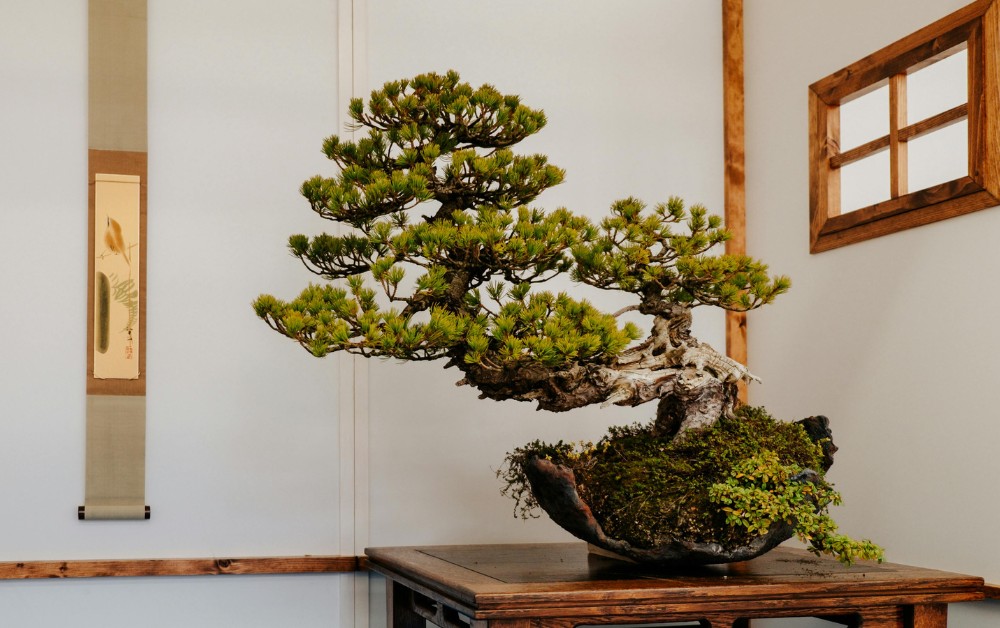
The phrase しょうがない, and by extension 仕方がない, expresses a philosophical concept deeply rooted in Japanese culture: the idea of letting go or finding peace with external circumstances. It’s uncertain whether this expression is rooted in Japanese Buddhist and Shintoist concepts of living in harmony with others and nature, though it is easy to draw connections to them.
Nonetheless, they are an outward expression of a cultural mindset: letting go and moving on rather than lingering on issues beyond your control. In Japan, there is perhaps a shared attitude that you cannot control your environment, so saying しょうがない evokes that understanding in others. For instance, if you’re late due to traffic or unable to visit your parents because of a storm, しょうがない would convey that the situation is beyond your control. But it’s not necessarily said in despair, just graceful acceptance, a lot like c’est la vie.
In Japan, this attitude is generally seen as ideal for a healthier mindset and greater overall happiness, since you don’t worry about things you can’t control. It’s all too easy to get frustrated when things don’t go your way, but しょうがない conveys a mindset of just letting go and moving on.
However, you could argue that this attitude could prevent necessary actions from being taken. For example, if someone stole your wallet while you’re in a crowd, the attitude of しょうがない might be tempting, since nothing can be done to retrieve it. Even though actions can still be taken, like canceling your cards and going to the police to see if they can do something, such as checking security footage.
But, we would argue that しょうがない wouldn’t be used in such circumstances; instead, it only expresses your desire not to linger on situations truly out of our control.
How しょうがない (Shou ga Nai) & 仕方がない (Shikata ga Nai) Are Used in Japanese
Now that we have an understanding of the whole cultural context and meaning behind the phrases しょうがない and 仕方がない, let’s find out how to actually use them in natural Japanese conversation.
1. Saying しょうがない・仕方がない (Shou ga Nai/Shikata ga Nai) for Environment You Can’t Control
The most common situation in which to use しょうがない is when you can’t control the external environment, such as rain, snow, or even disasters.
Example:
急に雨が降ってきたけど、傘を持っていないし、しょうがないね。
Kyuu ni ame ga futte kitakedo, kasa o motte inaishi, shou ga nai ne.
It suddenly started raining, and I don’t have an umbrella… oh well, that is life!
Here you can see how しょうがない is used to gracefully accept that there’s nothing you can do in this situation, where it’s started raining, and you’re unprepared.
2. Saying しょうがない・仕方がない (Shou ga Nai/Shikata ga Nai) When Failing Something
You can use しょうがない when you fail at something. Even though you technically had “control” of the situation, you are expressing that the failure is in the past and that uncontrollable factors led to it.
Example:
友達:グーグルの面接が落ちた。
Tomodachi: Guuguru no mensetsu ga achita.
Friend: I failed the interview for Google
あなた:そうか、残念だったね。ま、でも競争率高かったし、しょうがないよ
Anata: Sou ka, zannendatta ne. Ma, demo kyousou ritsu takakattashi, shouganai yo.
You: Oh, really? That’s a shame. Anyway, you shouldn’t feel bad. It was very competitive, so there was nothing you could do.
Here, しょうがない is used in the dialogue to comfort your friend who failed an interview with Google. By expressing that the competition was very high, しょうがない suggests they shouldn’t worry, as the situation was beyond their control.
3. Using しょうがない・仕方がない (Shou ga Nai/Shikata ga Nai) in Formal Situations
It’s quite common to say しょうがない, or preferably 仕方がない, in formal contexts like when speaking to your boss, but be aware it might not always come across as professional or appropriate. For example, if your boss is giving you negative feedback about a mistake you made, you probably shouldn’t say しょうがない, since it could suggest you don’t care or won’t put effort into improving.
So, now here’s how you can use しょうがない or 仕方がない the right way in different formal situations:
Example 1:
上司:今月のノルマ、達成できなかったね。
Jouji: Kongetsu no noruma, tassei dekinakatta ne.
Boss: We didn’t hit this month’s quota, did we?
部下:はい、申し訳ございません。今月は需要が低くて仕方がありませんでしたが、来月は必ず挽回します。
Buka: Hai, moushiwake gozaimasen. Kongetsu wa juuyou ga hikukute shikata ga arimasen deshita ga、raigetsu wa kanarazu bankai shimasu.
Subordinate: Yes, I sincerely apologize. Demand was low this month, so it could not be helped, but I will make up for it next month.
Here, the phrase 仕方がありませんでした (shikata ga arimasendeshita) acknowledges the unavoidable circumstances, while 必ず挽回します (kanarazu bankai shimasu), meaning “I will definitely make up for it,” shows accountability and commitment, which is essential in a Japanese professional setting.
Do you need to know more phrases for work? Check out our blog: 15 Common Keigo (Business Japanese) Phrases To Know
Example 2:
ホテルスタッフ:今回は、ご希望の部屋をご用意できず、申し訳ありませんでした。
Hoteru sutaffu: Konkai wa, go kibou no heya o go youi dekizu, moushiwake arimasendeshita.
Hotel Staff: We’re very sorry about this, but that type of room is not currently available.
あなた: まあ、ちょうどゴールデンウィークの時期だったし、こちらも予約するのが遅かったし。だから今回は仕方ないです。また次来るとき、お願いします。
Anata: Maa, choudo gooreden uiiku no jikidattashi, kochira mo yoyaku suru no ga osokattashi. Dakara konkai wa shikatanaidesu. Mata tsugi kuru toki, onegaishimasu.
You: Oh well, we were trying to book at the last minute during Golden Week. Nothing we can do now.
Here, 仕方がない is used to reassure the hotel staff that there is nothing to worry about, highlighting that the situation is beyond their control. Also, by bringing up Golden Week, a long Japanese holiday when many people travel, you emphasize that you understand there’s nothing we can do to change the busy period, which makes hotels fully booked.
4. Using しょうがない・仕方がない (Shou ga Nai/Shikata ga Nai) with Close Friends
When saying しょうがない with close friends or family, it’s quite common to use it more playfully, sometimes even to tease them. Let’s take a look at how it works:
Example:
友達:のど、痛い.
Tomodachi: Nodo, itai.
Friend: I have a sore throat.
あなた:え、大丈夫?風邪?
Anata: E, daijoubu? Kaze?
You: Oh, are you okay? Do you have a cold?
友達: サッカーの応援で叫びすぎた。
Tomodachi: Sakkaa no ouen de sakebi sugita.
Friend: I screamed too much at the soccer match.
あなた:え、また?!ほんと、しょうがないね。
Anata: E, mata? ! Honto, shou ga nai ne.
You: Huh, again? Really, it’s no wonder you have a sore throat now!
Here, you can see how しょうがない is used to tease or joke that it’s no wonder your friend’s throat is sore now. It’s almost like saying “of course” or “it shouldn’t be a surprise.” So, in this example, there is a slightly different nuance in meaning to the expression’s typical usage.
Conclusion: しょうがない・仕方がない (Shou ga Nai/Shikata ga Nai) Embraces A Positive Attitude
しょうがない, or 仕方がない, are extremely common expressions used just about every day to convey an attitude of letting go and moving on. At their core, they express a rather positive mindset about not dwelling on things we can’t control, and even reassure others not to worry about mistakes they couldn’t help.
You might be surprised at the rather wide range of applications this phrase has in daily life, since we should accept that we can’t control everything. So, try using it next time you find yourself in a situation that you can’t help, which likely comes up more often than you might think, as that’s just life, c’est la vie, or しょうがない!
Learn Japanese at Coto Academy
You may not be able to control everything, but you can control whether or not you learn Japanese today! If you want to learn how to use natural Japanese expressions like しょうがない in real conversation, join Coto Japanese Academy! We offer conversation-focused Japanese courses that will train you to use natural expressions to speak fluently and confidently.
You can also join our Intensive courses for comprehensive language skills, JLPT courses, private 1-on-1 sessions, and more! We have campuses across Tokyo and Yokohama, as well as online, where you can join us from anywhere around the world! If you’re ready to sign up or want more details, fill out the form below for a free consultation!
FAQ:
What does しょうがない (shou ga nai) mean?
しょうがない means “it can’t be helped,” “there’s nothing you can do about it,” or “it is what it is.” It is used to express acceptance of a situation that is unavoidable or beyond anyone’s control. It is one of the most commonly used expressions in everyday Japanese and reflects a deeply ingrained cultural attitude of accepting circumstances with grace rather than dwelling on them.
What is the difference between しょうがない (shou ga nai) and 仕方がない (shikata ga nai)?
Both expressions mean exactly the same thing; しょうがない is simply a contracted, more casual version of 仕方がない. しょうがない is the natural choice in everyday conversation with friends or family, while 仕方がない and its polite form, 仕方がありません, are more appropriate in formal or professional settings, such as the workplace.
Is しょうがない (shou ga nai) negative or positive?
The expression isn’t inherently positive or negative. Depending on the context and tone, it can express resignation, comfort, consolation, or simply a desire to move on. When said to someone going through a tough time, it functions as a gentle reassurance, while said to oneself, it reflects a calm, stoic acceptance of circumstances. In some ways, it can be seen as a positive outlook of not lingering on things beyond your control.
Is しょうがない (shou ga nai) the same as c’est la vie?
They are very similar in spirit and are often compared, but there is a subtle difference. C’est la vie, literally “that’s life” in French, tends to carry a breezy, almost cheerful acceptance of life’s ups and downs. しょうがない, on the other hand, is more grounded and practical, emphasizing that a specific situation is beyond your control. It expresses a more stoic resilience or acceptance of unavoidable circumstances.
Check out other blogs you may be interested in:
- 35 Japanese Proverbs & Inspiring Sayings You Need to Know
- Top 30 Japanese Slang to Learn in 2026
- 20 Japanese Superstitions Explained: Good & Bad Omens
- 21 Japanese Words You Can’t Translate into English
The post Shouganai & Shikata Ga Nai: The Japanese Art of Graceful Acceptance appeared first on Coto Japanese Academy.
Article source: https://cotoacademy.com/learn-japanese-blog-shikata-ga-nai-shoganai-meaning/