Do you want to ask someone on a date, but you don’t know what to say in Japanese? Asking someone on a date takes a bit of confidence, especially in a new language. So, let’s go through some key phrases for dating in Japanese. Whether you live in Japan for…
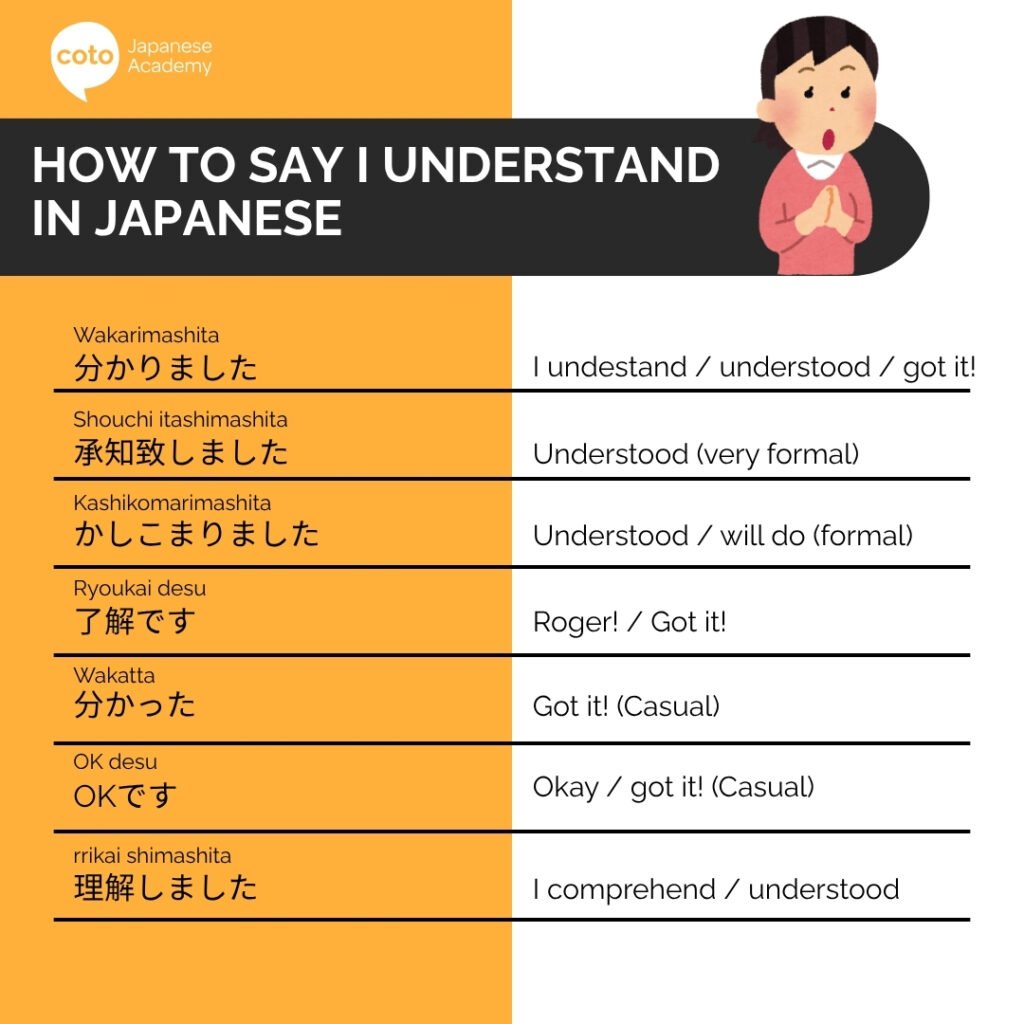
Part of conversations is not only letting the other person speak, but also communicating that you are listening. In Japanese, this is known as 相槌 (aizuchi). Aizuchi are conversational interjections that Japanese speakers use when speaking with one another. They are one of the most important aspects of speaking Japanese…
After mastering hiragana, one of the three Japanese writing systems, the natural next step is to learn katakana, the second Japanese syllabary. Commonly used to write loanwords, katakana represent the same set of sounds as hiragana, but they look completely different. Katakana characters are typically boxier and more geometric, with…
If you have started learning Japanese or thinking about doing it soon, you might ask yourself: How long does it take to learn Japanese? It’s an honest question, and probably the most important. Between people’s fascination with Japanese culture and the desire to live in Japan, Japanese has become one…
In English, an interjection is a word or expression meant to express sudden emotion or an immediate reaction. Have you ever heard your Japanese friend say things like “I see,” “Is that so,” or even “That’s amazing?” These interjections, or “aizuchi,” can be heard throughout their conversations, and they can…
The JLPT N3 phrase, にしては, is often used to express a contrast or comparison of someone or something. It is similar to saying “for” or “considering that,” and it is often used to express how something or someone is somewhat different from the norm or what is expected. So, let’s…
Since 1948, the fifth day of the fifth month has been distinguished as Children’s Day (Kodomo no Hi, こどもの日) in Japan – a day to commemorate and commend the nation’s youngest. All over Japan, you can catch the sight of the koinobori carps waving in the air, hung outside most…
Here to celebrate all things gloriously green is Greenery Day, a Japanese national holiday celebrated annually on 4th May, dedicated to the joys of nature. But did you know that Greenery Day was initially set for a different date? What are the interesting origins of Greenery Day, and how do…
Golden Week, or Oogata Shuukan, in Japan, is the period when four national holidays cram together and form an (almost) week-long break. This is when inbound travel peaks in Japan, as a lot of people use this opportunity to use their paid time off to visit other places in the…
The grammar pattern ~ていく (te iku) is used to express a change or action that begins now and continues moving forward in time. It combines the て-form of a verb with 行く (iku), which literally means “to go,” giving the overall meaning of something “going on” or “continuing from this…