“Yoroshiku onegaishimasu” (よろしくお願いします) is a staple Japanese phrase used in countless situations: when you meet someone new, ask for a favor, email a coworker, or even end a casual text. Although there is technically a literal translation — something like “please treat me well” or “I humbly ask for your…
Whether you’re pivoting your career in Japan, exploring new professional opportunities, or looking to open more doors in the business world, daily conversational Japanese simply isn’t enough. To truly stand out, you need to master the right etiquette, communication techniques, and business Japanese expressions used in real workplace settings. That’s…
Are you planning to live in Tokyo and wondering which area to choose? Finding the perfect apartment can be both exciting and stressful since you have to strike a delicate balance between the cost of rent, convenience, and, last but not least, your personal preferences. Choosing the right neighborhood can…
You’ve decided to take on JLPT N5, but looking for the right Japanese N5 textbook can feel more overwhelming than actually studying the language. So, read this guide to find out the top 20 N5 textbooks for beginners to ace the JLPT with flying colors — or to start your…
It’s a typical weekday at the office when you receive an email from the hiring manager at your dream company: they’re offering you the position you’ve always wanted. Congratulations! Now, there’s just one thing left to do: resign from your current job in Japan. The good news is that Japan’s…
In the competitive world of Japanese job interviews, making a strong first impression is crucial. Your self-introduction, or 自己紹介 (jikoshoukai), sets the tone for the entire interview and gives the interviewer a glimpse into your personality, skills, and motivations. Understanding the nuances of Japanese etiquette and tailoring your introduction accordingly…
Planning to take the JLPT N5? Although it is technically the lowest level a foreigner can take, the N5 can be a great milestone for those who want to see if they have made real progress. Understandably, the thought of taking the JLPT is stressful, with so many things to…
Japanese honorifics are suffixes or prefixes used to show respect or familiarity when addressing other people. While they can be tricky for beginners, they play a key role in everyday conversations. For example, the same friend might be called Tanaka-san one day and Tanaka-kun the next, depending on who they…
Planning to study for the JLPT? Short for the Japanese Language Proficiency Test, JLPT is the most recognized Japanese language certification used by employers, universities, and immigration authorities to assess non-native speakers’ Japanese proficiency. Passing the JLPT can open many doors, whether it’s landing a job in Japan or enhancing…
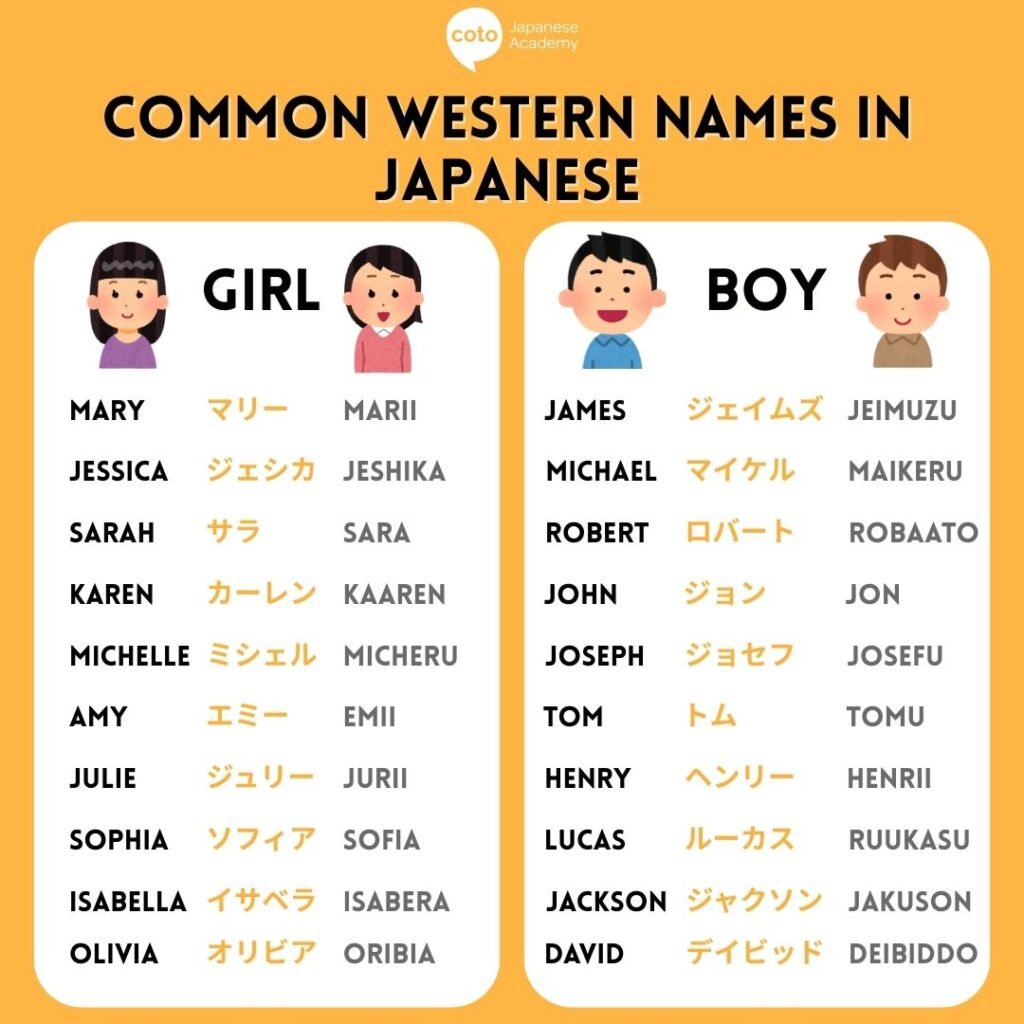
After mastering hiragana, one of the three Japanese writing systems, the natural next step is to learn katakana, the second Japanese syllabary. Commonly used to write loanwords, katakana represent the same set of sounds as hiragana, but they look completely different. Katakana characters are typically boxier and more geometric, with…