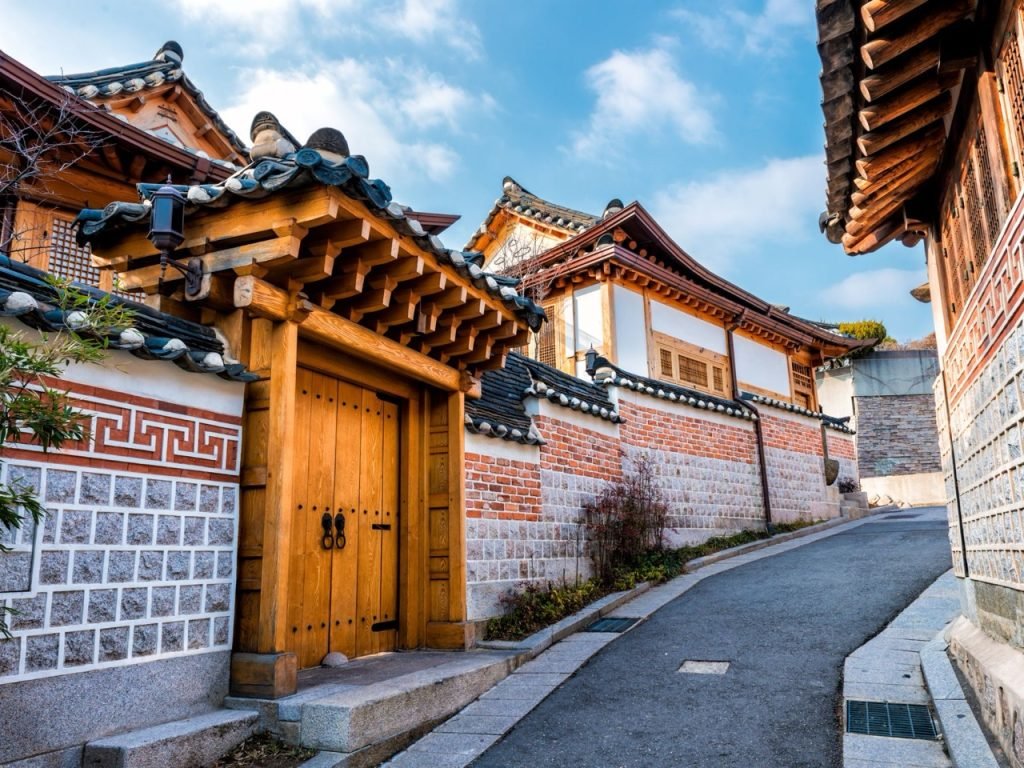
South Korea, Bali, Thailand, Taiwan, Malaysia, Shanghai, Asia has become one of the most exciting regions in the world for international students. Here’s why, and how to make it happen.
Studying abroad after high school is already a great decision. Choosing Asia for it is an even more interesting one. Asia is home to some of the world’s most dynamic universities, some of the most affordable living costs for international students, extraordinary cultural diversity, and professional markets that are reshaping the global economy. The continent will define a significant portion of the world’s economic future over the next 30 years. There are very good reasons to experience it from the inside, and the earlier you do it, the more you get out of it.
This guide is for students who are seriously considering Asia after high school graduation. It covers the destinations available through Asia Exchange, what you can study, what it actually costs, how your credits and degree are recognized, and everything you need to prepare before you go.
Why choose Asia after high school?
There are dozens of great destinations for studying abroad after high school. But Asia has something the others do not: a unique combination of academic quality, financial accessibility, cultural intensity, and career potential that turns a semester or a year into a genuine life accelerator.
A lasting career advantage
Asia accounts for more than 60% of global economic growth today. International companies across every sector actively look for candidates who understand the region from the inside, who have lived in these markets, and who speak at least one of its languages. Research consistently shows that students with international experience see their employability increase by around 20%. For those who return from Asia specifically, that advantage is particularly strong in sectors like international trade, tech, finance, and media.
A cost of living that will surprise you
This is probably the figure that surprises people most: in several Asia Exchange destinations, your total monthly budget — housing, food, transport, activities — is lower than what you would spend living alone in a major city back home. In Bali, a student eating locally and sharing accommodation can live on $550 to $950 per month. In Thailand, $380 to $750. Even in South Korea, which is more expensive than the rest of Southeast Asia, a student’s monthly budget is still well below what you would spend in London, Paris, or Amsterdam.
Universities that are rising fast in global rankings
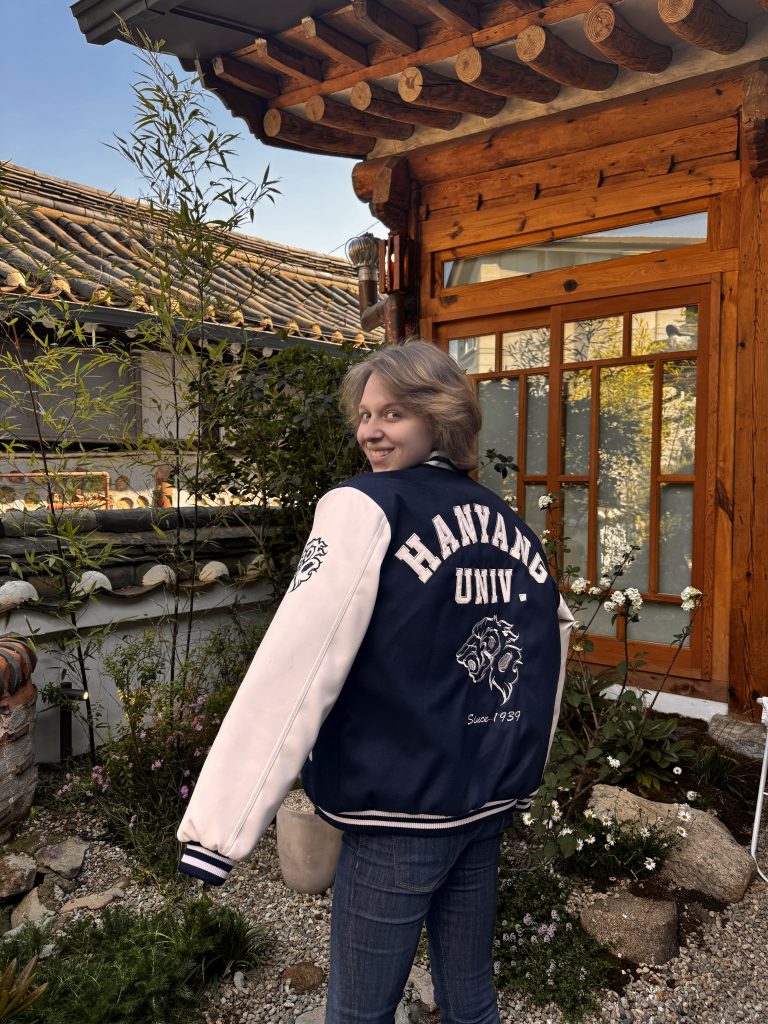
Asia is no longer just an “exotic” destination for students. It is a serious academic region. In the QS World University Rankings 2026, six South Korean universities appear in the global top 100. Hanyang University, an Asia Exchange partner, ranks 155th worldwide. Shih Chien University in Taipei, Universiti Putra Malaysia, and the Thai partner universities are all officially accredited institutions in their home countries with strong research and teaching reputations.
A cultural experience that is genuinely unlike anything else
You can study abroad and stay relatively close to your comfort zone. Or you can choose somewhere that genuinely challenges your assumptions about how the world works. Asia falls firmly into the second category, and that is exactly why students who go there come back changed in ways that those who studied in Europe or North America rarely describe in the same terms. It is not better or worse. It is deeply different. And that difference is the point.
Destinations available through Asia Exchange
Asia Exchange offers programs in six major Asian destinations, each with its own identity, pace, and advantages. Here is a quick overview to help you figure out which one fits you best.
A world-class city of 10 million people, globally ranked universities, a job market driven by Samsung, LG, and Hyundai, and a culture that rewards ambition. One of the most exciting student cities in Asia.
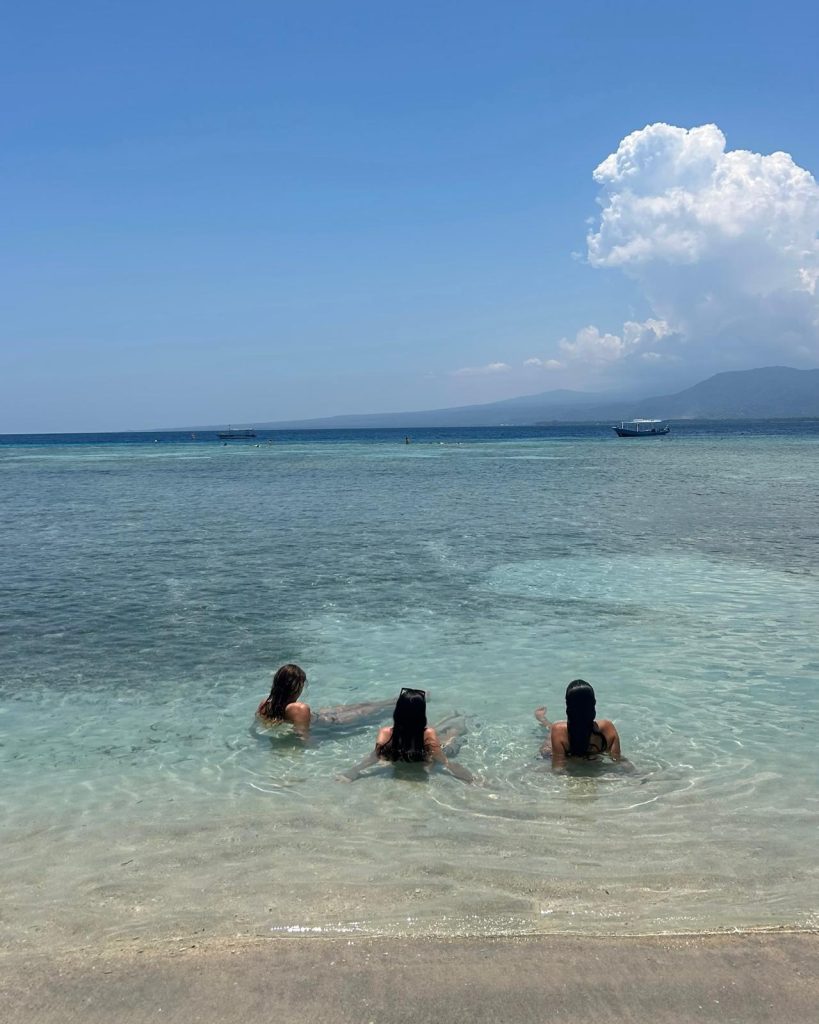
Tropical island, unique Hindu culture, and a pace of life that feels like nothing else. Three partner universities, one of the lowest costs of living in the network, and a cultural immersion that students consistently describe as life-changing.
Four partner universities across Bangkok and the south. Street food for under $3, beaches reachable on weekends, and one of the richest cultural and social scenes in Southeast Asia.
One of Asia’s most underrated cities. Exceptionally safe, legendary night markets, world-class infrastructure. Shih Chien University offers fully English-taught programs.
Multicultural, English-friendly, modern, and affordable. Excellent infrastructure, outstanding food, and perfectly positioned as a gateway to the rest of Southeast Asia.
China’s most cosmopolitan city. Programs at Shanghai University focus on Chinese language, culture, and international trade. Mandarin skills plus a degree in Shanghai is a combination that opens professional doors globally.
What you can study
Asia Exchange programs are taught entirely in English across all partner destinations. Here are the main fields available.
- Business, economics, and international management (all destinations)
- Computer science, IT, and information systems (South Korea, Thailand, Malaysia)
- Sciences & applied sciences (Malaysia, Thailand, Taiwan)
- Social sciences, communications, and international relations (all destinations)
- Chinese language, culture, and international trade (Shanghai University)
- Arts, design, and humanities (South Korea, Malaysia, Taiwan)
Most programs offer up to 30 ECTS credits per semester, directly transferable to your home institution if you signed a Learning Agreement before departure. Freemover students can present their transcripts to their home university for credit consideration, confirm the process with your institution before you go.
 No local language required: none of the Asia Exchange destinations require prior knowledge of Korean, Thai, Mandarin, or Bahasa Indonesia. An official English proficiency test (IELTS or TOEFL) is sometimes requested at the application stage.
What it actually costs
The cost of a semester with Asia Exchange includes your program fees and your living costs on the ground. Here is a realistic breakdown by destination.
Program fees
Asia Exchange programs start from €2,490 per semester for Shanghai University, with fees varying by destination and partner university. Your university registration fees are included in this amount. Compare that with a year at a private university in the US or UK, and the value proposition becomes immediately clear.
Estimated monthly living costs by destination
- Bali: $550 to $950/month living locally
- Thailand: $380 to $750/month
- Malaysia: $550 to $950/month
- Taiwan: $650 to $1,050/month
- Shanghai: $550 to $870/month
- South Korea: $750 to $1,300/month
These ranges reflect a student living reasonably: shared accommodation or on-campus housing, meals at local restaurants or campus cafeterias, public transportation. Students who eat in tourist restaurants or live alone spend more. Students who organize well stay comfortably at the lower end of the range.
In several Asia Exchange destinations, a full semester abroad — program fees plus living costs — comes to less than a semester at a domestic university once you factor in tuition, rent, and living expenses back home. That is not marketing. It is arithmetic.
Credits and degree recognition
ECTS credits on a formal exchange
ECTS (European Credit Transfer and Accumulation System) is the standard unit of academic measurement used across most European universities and many institutions worldwide. Every semester is worth 30 ECTS credits. If you are studying on a formal exchange program with a signed Learning Agreement, your credits transfer automatically to your home institution when you return. No additional paperwork needed.
If you are a freemover student
If you apply directly through Asia Exchange without a prior exchange agreement with your home institution, your Asian transcript can be presented for credit recognition. Each institution makes its own decision. Confirm the process with your home university’s international office before departure so there are no surprises when you get back.
If you complete a full degree abroad
For students doing a complete bachelor’s degree at a partner institution like Hanyang University, the degree is internationally recognized because the university is officially accredited in its home country. Most countries have a formal process for assessing foreign qualifications — in Europe this is handled through the ENIC-NARIC network, which produces a comparability certificate positioning your degree within the national qualifications framework. For regulated professions, additional steps through professional bodies may be required.
 If you plan to work in a regulated profession after graduating (medicine, law, architecture, etc.), check with the relevant professional body in your home country before applying. Requirements vary significantly.
Scholarships and financial support
Partner university scholarships
Hanyang University offers the HISP (Hanyang International Scholarship Program), which provides tuition reductions of 50%, 70%, or 100% for students maintaining a GPA of 2.5 or above. Other Asia Exchange partner universities also offer merit-based scholarships. Ask the Asia Exchange team about what is available for your specific destination.
Government scholarships
Several Asian governments offer generous scholarships for international students. China’s CSC scholarship covers full tuition, accommodation, monthly allowance, and medical insurance. South Korea’s GKS (Global Korea Scholarship) provides similar coverage for undergraduate students. Both are competitive and require early applications.
Home country grants and funding
Many national and regional governments offer mobility grants for students studying abroad. These vary by country but can cover a significant portion of living or tuition costs. Check with your home country’s education authority or equivalent body for what is specifically available to you.
Do not assume you cannot afford it before you have looked at what is actually available. The combination of lower living costs in Asia and scholarship opportunities often makes a semester with Asia Exchange more affordable than staying home.
Frequently asked questions
Do I need to speak the local language to study in Asia with Asia Exchange?
No. All Asia Exchange programs are taught entirely in English. No prior knowledge of Korean, Thai, Mandarin, Bahasa Indonesia, or Malay is required to start. An official English proficiency test (IELTS or TOEFL) is typically requested at the application stage.
Will my ECTS credits earned in Asia be recognized at home?
On a formal exchange with a signed Learning Agreement, recognition is automatic. As a freemover, your transcript can be presented to your home institution for credit consideration — each institution makes its own decision. Confirm the process with your international office before you go.
Is safety a concern in Asia?
The Asia Exchange destinations — South Korea, Taiwan, Bali, Thailand, Malaysia, and Shanghai — are well-established destinations for international students. Seoul and Taipei consistently rank among the safest cities in the world. As with any time abroad, standard precautions apply. Register with your home country’s embassy at your destination before you arrive.
Which Asia Exchange destination is best for a first experience after high school?
It depends on what you are looking for. Full tropical cultural immersion at a very accessible budget: Bali or Thailand. A major global city with strong career connections: Seoul. Mandarin skills alongside a world-class urban experience: Shanghai. English-friendly, safe, modern, and affordable: Kuala Lumpur or Taipei. The Asia Exchange team can help you figure out which fits your profile. Book a free call with us through the link below.
Ready to go? Explore all Asia Exchange programs and find your destination.
The post Study abroad in Asia after high school: the full guide appeared first on Asia Exchange.
Article source: https://asiaexchange.org/blogs/studying-abroad-in-asia-after-high-school-guide/