South Korea has quietly become one of the most exciting study abroad destinations in the world. And it is not hard to see why. Ancient palaces sit in the shadow of futuristic skyscrapers. Street food vendors line up next to Michelin-starred restaurants. And the global phenomenon of K-pop was born here and continues to thrive. If you have been thinking about studying abroad in South Korea, this guide covers everything you need to know.
Why Study Abroad in South Korea?
South Korea is a country of contrasts, and that is exactly what makes it so captivating. It is modern and fast-moving, yet deeply rooted in thousands of years of history and culture. Seven Korean universities rank among the world’s top 200, making it a genuinely world-class academic destination. The cost of living is also relatively affordable compared to other top study destinations, and the quality of life is remarkably high.
For international students, South Korea offers something rare. It is a place where you can challenge yourself academically, immerse yourself in a culture unlike anything you have experienced before, and build a global network that stays with you long after you go home.
The Culture: So Much More Than K-Pop
Let’s talk about K-pop, because yes, it is absolutely part of the appeal. Seoul is home to the entertainment companies, iconic music studios, and fan culture that have made Korean pop music a global force. If you are a fan, studying in Seoul puts you right at the heart of it.
But South Korea has so much more to offer culturally.
Korean food alone is worth the trip. From bibimbap and bulgogi to tteokbokki and Korean fried chicken, eating your way through the country is one of the great joys of student life there. Street food markets like Gwangjang Market in Seoul are an experience in themselves.
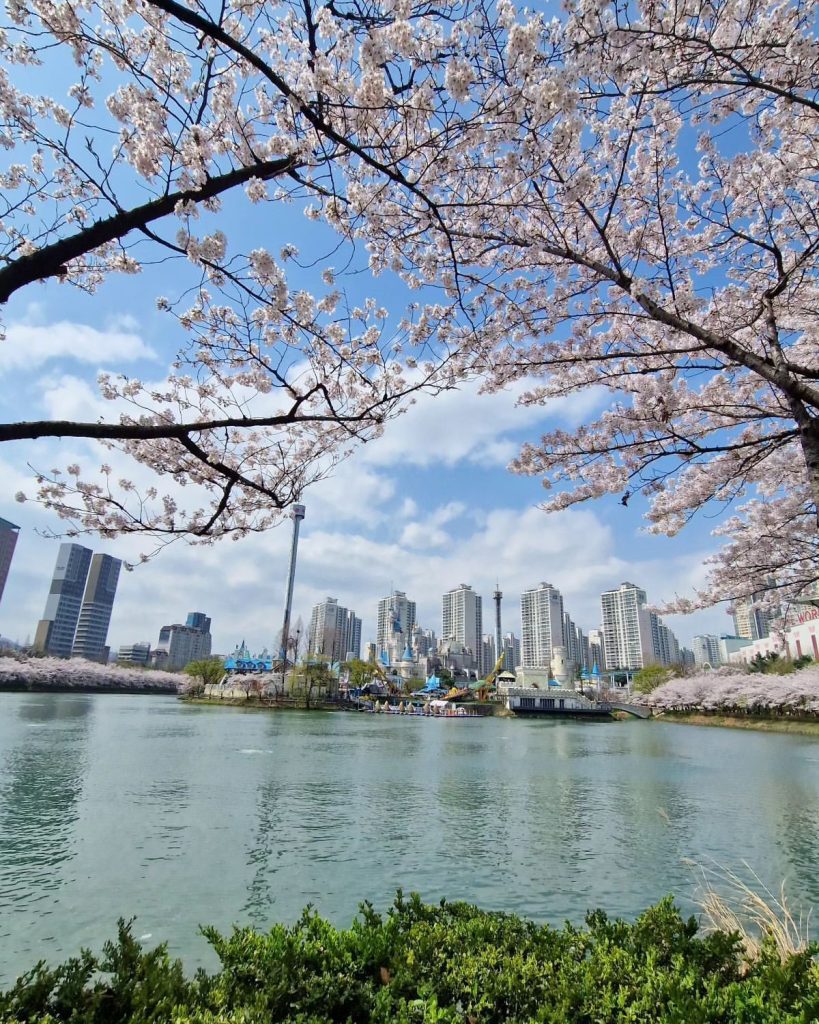
Korea’s festivals are spectacular. Chuseok, the autumn harvest festival, sees the whole country come alive with traditional food, family gatherings, and colourful ceremonies. The Boryeong Mud Festival and Jinju Lantern Festival draw visitors from across the world. In spring, the cherry blossom season transforms university campuses and city parks into something truly beautiful.
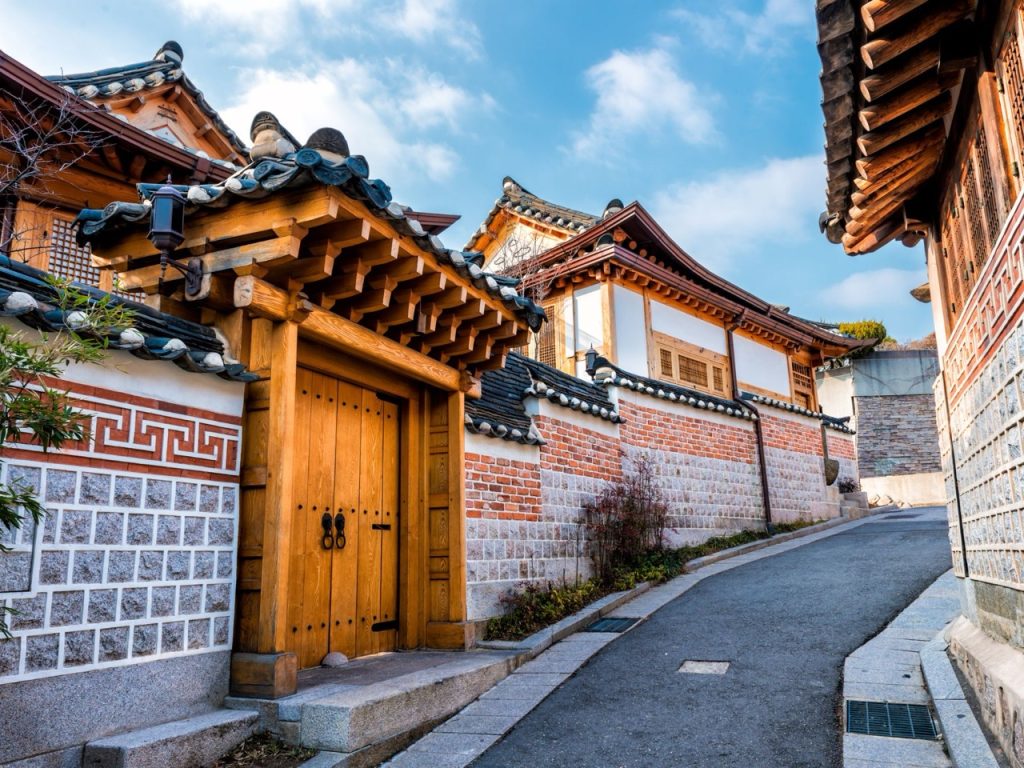
Then there is the history. Seoul alone has five grand royal palaces from the Joseon dynasty, plus ancient temples, fortress walls, and UNESCO World Heritage Sites. Beyond the capital, cities like Gyeongju serve as open-air museums, while Jeju Island offers volcanic landscapes and subtropical beaches that feel a world away from the mainland.
Korean cinema and drama have also made their mark globally in recent years. Being in the country that produced these stories adds a whole new layer to experiencing them.
Seoul vs Busan: Choosing Your City
Asia Exchange offers programs in both Seoul and Busan. Choosing between them is really about what kind of experience you are looking for.
Seoul is a 24-hour city. It is one of the most dynamic and innovative capitals in the world, divided by the beautiful Han River and surrounded by mountains. Historic palaces and temples sit alongside ultra-modern skyscrapers, world-class shopping districts, and a nightlife scene that never slows down. If you want city energy, cultural diversity, and access to every experience imaginable, Seoul is your city.
Busan is South Korea’s second-largest city, sitting on the southeastern coast with beaches, seafood, and a noticeably more relaxed pace of life. It has its own vibrant culture, stunning coastal scenery, traditional markets, and mountain trails right on the doorstep. If you want a big-city experience with more breathing room and a lot of natural beauty, Busan is a wonderful choice.
Where to Study Abroad in South Korea: The Universities
Asia Exchange partners with four outstanding universities in South Korea.
Hankuk University of Foreign Studies (HUFS) in Seoul is one of Korea’s most internationally focused universities. It has a strong reputation for language studies, international relations, and humanities. It offers semester programs, a full bachelor’s degree, and a summer school.
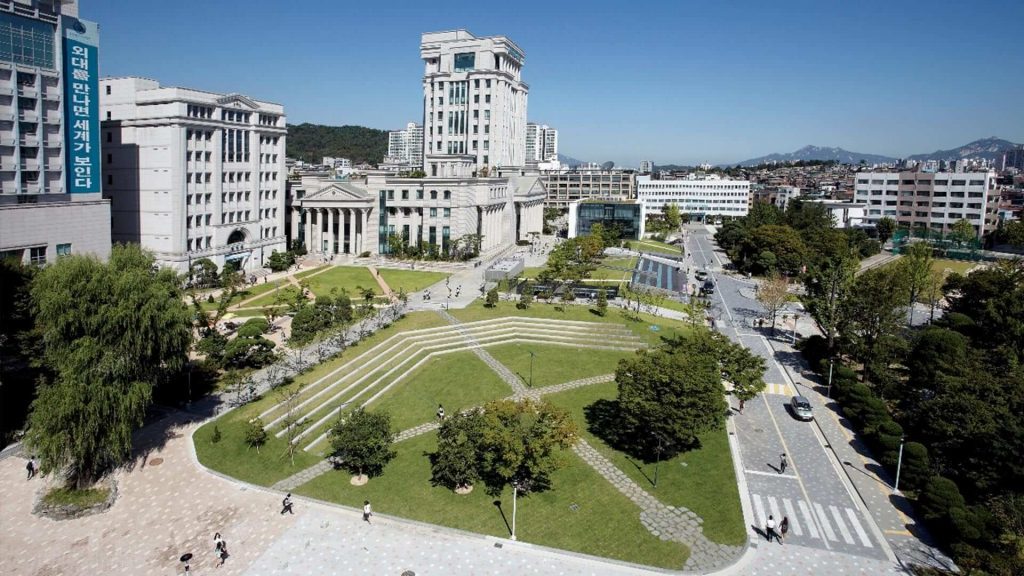
Hanyang University in Ansan (just outside Seoul) is a leading research university with a broad range of academic programs and a strong engineering and science faculty. It offers semester programs, a full degree, a gap year option, and a work experience program.
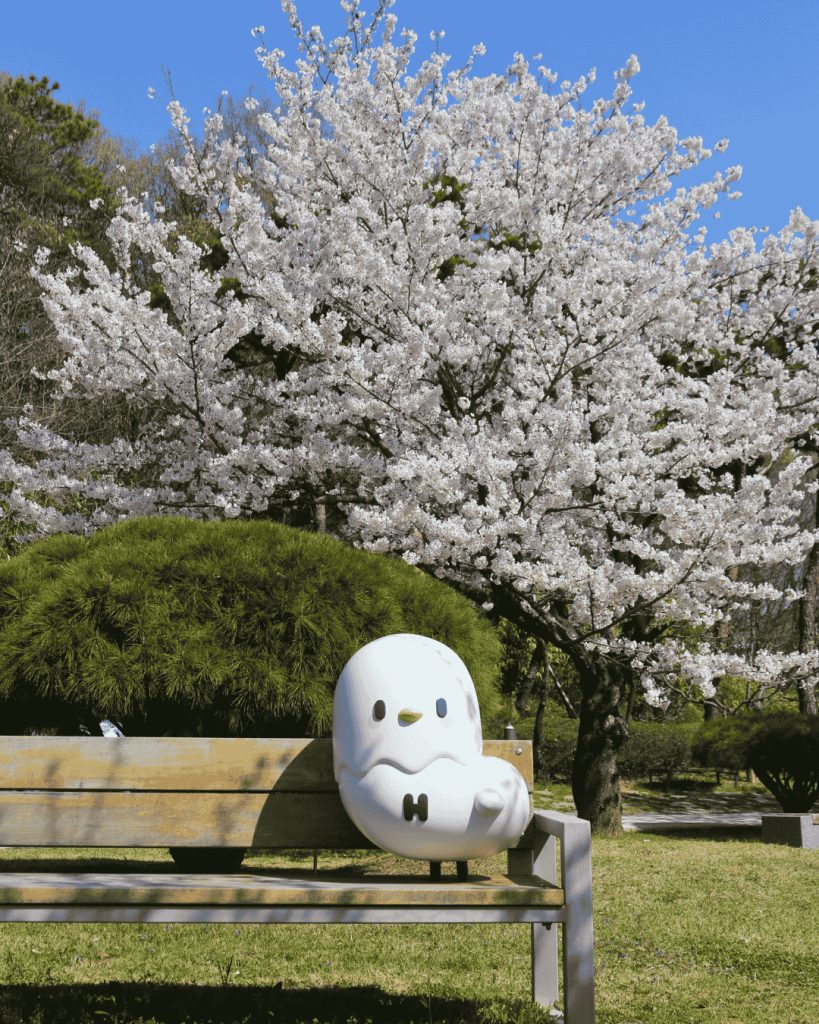
Konkuk University in Seoul is a highly regarded university known for its beautiful campus and a wide range of programs across business, sciences, humanities, and more. It is a great choice for students looking for a well-rounded academic experience in the heart of the capital.
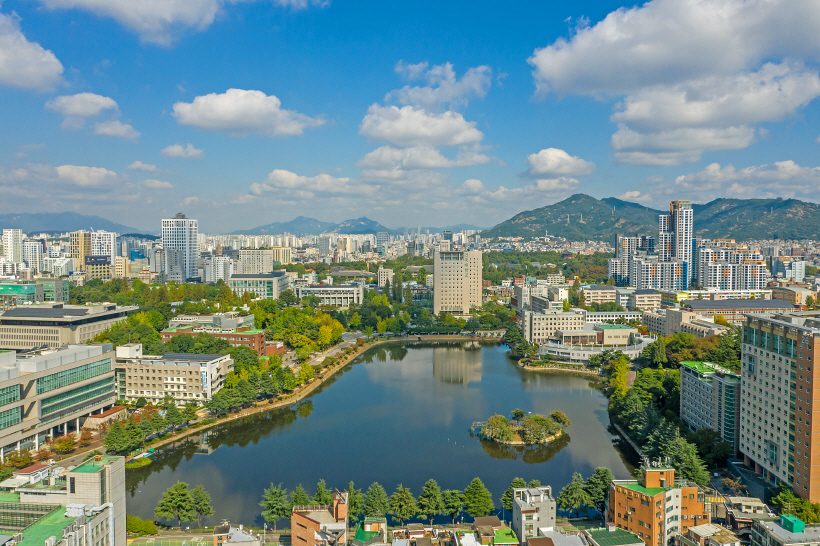
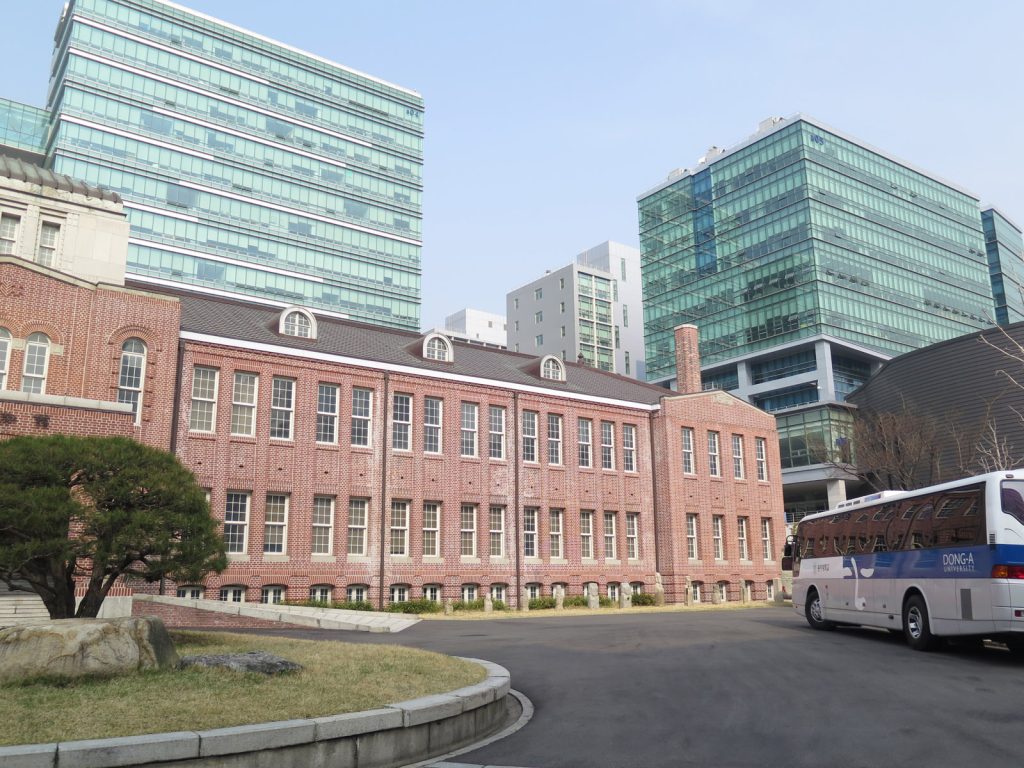
Dong-A University in Busan is a well-respected university with a beautiful campus and a wide range of programs. It is the perfect base for exploring everything Busan has to offer.
Accommodation: Affordable and Almost Guaranteed
One of the biggest practical questions when planning to study abroad in South Korea is where to live. The good news is that all four partner universities offer student dormitories for international students.
University dormitories are affordable and conveniently located on or near campus. They come with everything you need to settle in quickly. Living in the dorms also makes it much easier to meet other students, both local and international, from day one. Many friendships that last a lifetime start in the corridors of university housing.
The key tip here is to apply early. Universities allocate dormitory places themselves and spots can fill up quickly. If you submit your application with time to spare, your chances of securing a dorm room are very high. Asia Exchange strongly recommends not leaving this to the last minute.
If dormitory accommodation is not available or you prefer more independence, other good options include goshiwons (small furnished rooms rented monthly, popular with students and young workers) and private apartments. Some students also stay at a hostel for the first week while they get their bearings and meet potential flatmates at orientation events.
Student Life and Social Culture
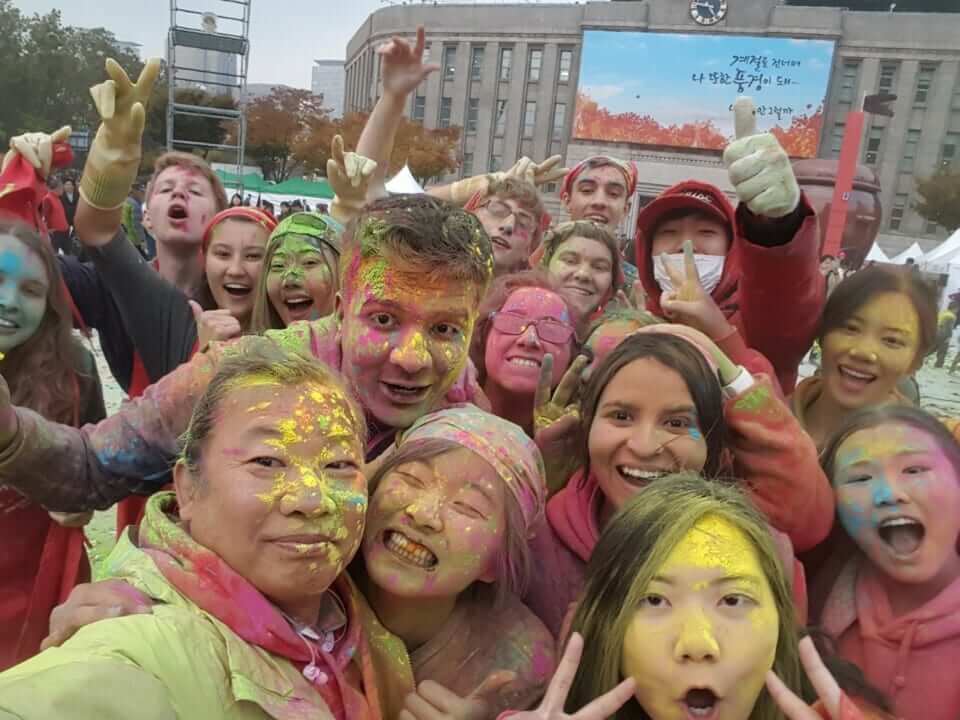
Korean university life has a well-deserved reputation for being social and welcoming. Universities run buddy programs that pair international students with local Korean students. This makes it easy to build friendships and get practical help navigating daily life. Campus clubs, sports teams, and events give you endless ways to connect with people outside the classroom.
The cities themselves add to the experience. In Seoul, you could spend a morning in class, an afternoon exploring Bukchon Hanok Village or hiking Bukhansan mountain, and an evening at a rooftop bar or a live music venue. In Busan, morning classes might be followed by an afternoon at Haeundae Beach or a sunset walk along the Gamcheon Culture Village.
Public transport in both cities is excellent, clean, and very affordable. Getting around is easy and inexpensive, which means your weekends can take you far beyond the campus.
Is It Safe to Study Abroad in South Korea?
Absolutely. South Korea consistently ranks as one of the safest countries in Asia and in the world. Crime rates are low, cities are well-lit, and students consistently report feeling comfortable and secure, even walking alone at night. Emergency services are reliable, and there is even a dedicated medical emergency line for foreigners in Seoul (1339).
As with any destination, having the right health insurance in place before you go is important. Asia Exchange will guide you through everything you need to prepare.
How to Apply Through Asia Exchange
The process is simpler than you might think. Fill in an online application form, attach the required documents, and Asia Exchange confirms your study placement in as little as one day. From there, you receive a detailed study guide covering visas, accommodation, living in Korea, and everything else you need to know.
You will need a D2 student visa to study for a semester or full year. For summer school students, a visa may not be required given the length of the program. Check with your local Korean embassy for the latest requirements.
Apply Now: Upcoming Deadlines
Semester Abroad — Autumn 2026
Hankuk University of Foreign Studies (Seoul) — Apply by 30 May 2026
Dong-A University (Busan) — Apply by 6 June 2026
Hanyang University (Ansan/Seoul) — Apply by 18 June 2026
Gap year students are also welcome to apply to Hanyang University!
Please note that the deadline for Konkuk University has already passed for Autumn 2026. Check the Asia Exchange website for the latest updates on available programs and future deadlines.
Summer School 2026
Hankuk University of Foreign Studies (Seoul) — Apply by 5 June 2026
South Korea is waiting. The culture, the cities, the people, the food, and the experiences are all there for you. The only thing left is to take the first step.
The post Study Abroad in South Korea: A Complete Guide appeared first on Asia Exchange.
Article source: https://asiaexchange.org/blogs/study-abroad-south-korea-complete-guide/