
Ask any student who has been abroad what they miss most when they come back. Most of the time, they do not say the food or the city. They say the people.
There is something specific that happens when you are dropped into an unfamiliar place with nothing pre-set. No existing friend group to fall back on, no routine to hide behind, no version of yourself that other people have already decided on. You are new. Everyone else is new. And that shared exposure to strangeness does something surprising: it makes people honest with each other, faster than anything in ordinary life tends to.
The friendships you make studying abroad are not automatically deeper than the ones you have at home. But the conditions that produce them are genuinely different. Understanding why helps explain something students describe over and over again. When they talk about their time away, there is this strange sense that they knew these people for years, when actually they had only known them for months.
Everyone starts from zero at the same time
At home, friendships develop slowly through years of proximity: school classes, neighborhoods, shared history. The people around you already have context. They have seen you in different versions, in different moods, across different years. That is genuinely valuable. But it also means that most friendships at home carry a kind of accumulated weight. You are already a character in each other’s stories before you even decide if you like each other.
Abroad, none of that exists. Nobody knows your history. Nobody has a prior impression to update. You and everyone around you are equally blank pages. Everyone is figuring out the same unfamiliar city, the same new campus, the same logistics that nobody quite has sorted yet. That shared starting point creates a rare openness. You are not performing a version of yourself that others have come to expect. You are just yourself, in the present, which turns out to be a much better place to build something real.
The first week dynamic
Students who have been abroad often describe the first week as unlike any social period in their lives. Nobody is guarded. Everyone is a little lost. Conversations that would normally take months to arrive at happen within days, because the context that usually slows things down is simply not there. Research supports this. Psychologists call it situational intimacy: navigating unfamiliar environments together, getting lost, figuring out transit systems, all of it accelerates emotional bonding in ways that ordinary social settings rarely do.
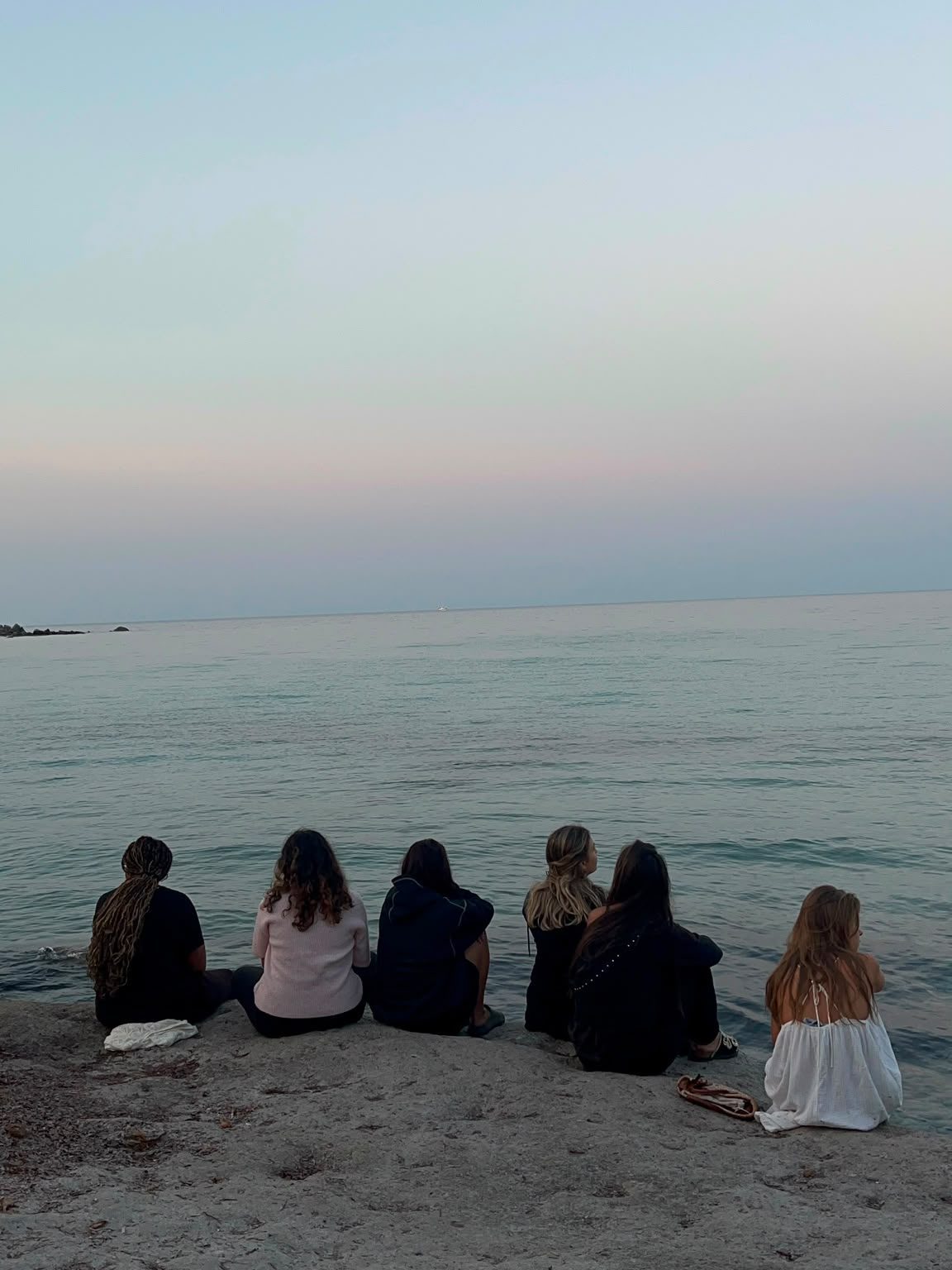
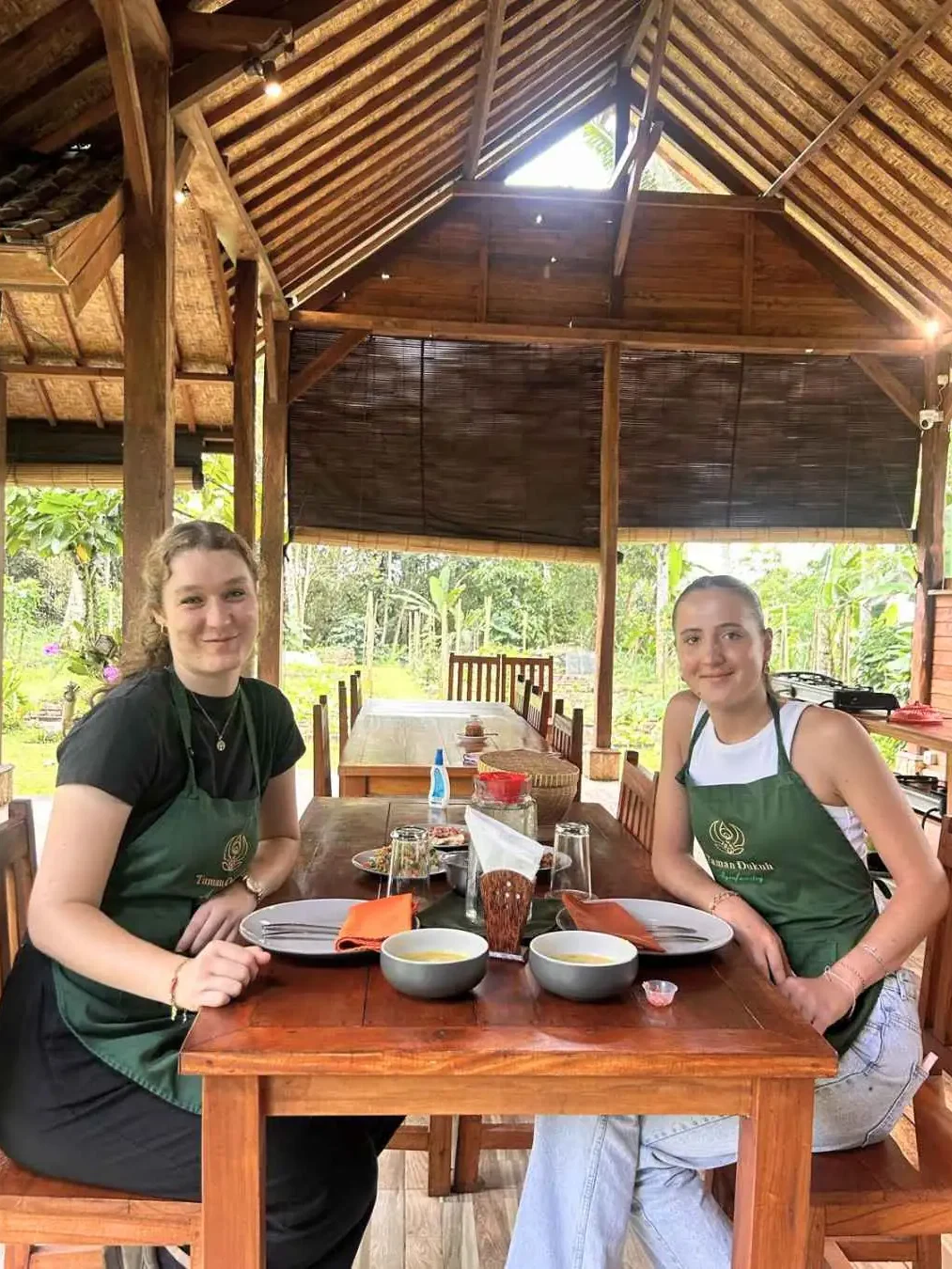
Shared novelty changes how people relate
There is a well-documented psychological mechanism behind why friendships abroad tend to feel faster and deeper. When people experience new things together, their brains respond to the novelty. Whether it is a first visit to a night market, a weekend trip to an island, or just the collective confusion of a foreign registration system, the effect is the same. Research published in 2024 found that shared novel experiences strengthen emotional bonding by activating reward systems in the brain. In short, experiencing the new together feels good, and you end up associating that feeling with the people you were with.
This is different from what happens in ordinary friendship. Most close friendships at home are built through repetition: the same coffee shop, the same group chat, the same Friday routine. Repetition creates comfort, and comfort is valuable. But novelty creates intensity. And intensity, when it is shared with someone you trust, is one of the fastest routes to genuine closeness.
The depth that comes from being seen clearly
One of the quieter things that happens when you are abroad is that you get a clearer picture of yourself. Without the social structures of home, you show up differently. The labels, the reputation, the role you have played in your friend group since you were eighteen: none of that travels with you. You are more curious, more open, less defended. And the people around you see that version of you, which is often a more honest one.
Friends made in that context know a real version of you. Not the version shaped by years of accumulated expectation, but the one that emerged when you were somewhere new and genuinely present. That tends to make for durable friendships, because what they are built on is real.
“Leaving home to immerse myself in another culture has been the best thing I could have done for myself.”
Emma, France · Asia Exchange student in Bali
The mix of people you simply would not meet at home
At home, your social world is largely shaped by geography and institutional sorting. You become friends with people who grew up near you, studied the same thing, or happened to be assigned the same dormitory. The pool is not small, but it is filtered by proximity in ways you rarely notice until you leave.
Abroad, the filtering mechanism changes entirely. In an Asia Exchange program, the student community around you might include people from France, Germany, South Korea, Brazil, and Australia. All in the same semester. All looking for the same things. The cultural breadth of that social environment is something you cannot replicate at home without a lot of deliberate effort. And the friendships that come out of it carry that breadth with them.
Research consistently finds that close intercultural friendships significantly develop cultural intelligence and build stronger motivation to engage with the world. That is not an abstract benefit. It shows up in how you think, how you work, and how you relate to people for the rest of your life. In practical terms, the friends you make studying abroad often become professional contacts, travel companions, and people you stay in touch with across time zones for years after the semester ends.
“Bangkok was maybe the best time of my life. If you want to discover your personality and South East Asia from a different side, it will be the perfect choice for you!”
Marius, Germany · Asia Exchange student in Bangkok
Why these friendships tend to last
Students often worry, before they go, that friendships made abroad will dissolve when the semester ends. They see them as situational, tied to a place and a moment that will eventually pass. That anxiety is understandable. But it is also mostly wrong.
The research on this is consistent. Intense, meaningful interactions formed in unfamiliar environments have a strong tendency to become longer-term relationships, precisely because of what built them. The novelty, the vulnerability, the shared navigation of something genuinely new: these are not shallow foundations. They are some of the most durable ones available.
Furthermore, the friends you make abroad tend to understand something about you that people at home do not always see. They know the version of you that showed up when you had nothing to fall back on. That kind of knowing does not disappear when a flight takes you home.
What you actually miss when you come back
There is a specific kind of homesickness that students experience after coming back from a semester abroad. It is not quite homesickness in the traditional direction. It is closer to missing a version of your daily life that no longer exists. The particular rhythm of the mornings. A group chat that went quiet. The people who made a specific place feel like yours.
Most students who go abroad report that making friends abroad was what surprised them most about the whole experience. The city was beautiful, the food was remarkable, the coursework was interesting. But what they did not fully anticipate was how much the people would matter. How fast someone can go from a stranger at orientation to the person you call when something goes wrong. How a semester can produce friendships that feel like they have been going for years.
That does not happen by accident. It happens because being abroad creates the conditions for it. All you have to do is show up and let it.
The people you meet when you study abroad are meeting you at the moment in your life when you are most genuinely yourself. That turns out to be a very good time to make a friend.
Ready to find your people on the other side of the world? Explore Asia Exchange programs across Asia and beyond.
The post Why You Make Deeper Friends Studying Abroad Than at Home appeared first on Asia Exchange.
Article source: https://asiaexchange.org/blogs/friends-studying-abroad-why-they-go-deeper/