If you’ve ever dined at a Japanese restaurant, you’ve likely seen people press their palms together and say “Itadakimasu” before eating and “Gochisousama deshita” afterward. In English, these are usually translated as “Let’s eat” and “Thank you for the meal.” But while they function like “saying grace,” the meaning goes…
For Amani Samba, entrepreneurship was never just an idea. It was something he was already living. With a background in IT and years of experience working on technology solutions such as access control systems and CCTV, he built a strong technical foundation early in his career. Alongside his professional work,…
If you’re considering studying abroad in Australia and want a university experience that combines practical learning with city life, ECU City offers something genuinely different. Opening to students in Semester One 2026, ECU City is the new city-based campus from Edith Cowan University, located in the heart of the Perth CBD. Designed as a vertical, […]
The post Why Study at ECU City? A New City-Based Campus in the Heart of Perth appeared first on Asia Exchange.
The post Featured Scholarships: January/February 2026 appeared first on Scholarship America. Article source: https://scholarshipamerica.org/blog/featured-scholarships-january-february-2026/ Checkout the latest Courses
Coto Japanese Institute, our new full-time Japanese language school opening in October 2026, is excited to open its very first pre-application. Through this online pre-application, students interested in studying at our brand-new school can submit an inquiry and begin their journey with us. From there, we’ll gradually guide applicants through…
The JLPT N3 phrase そんなに (sonna ni) is a very useful everyday phrase that means, “that much,” “so much,” or “to that extent.” Most often, そんなに appears in negative sentences to downplay or deny the extent of something, making statements sound softer or more polite. When used in positive sentences,…
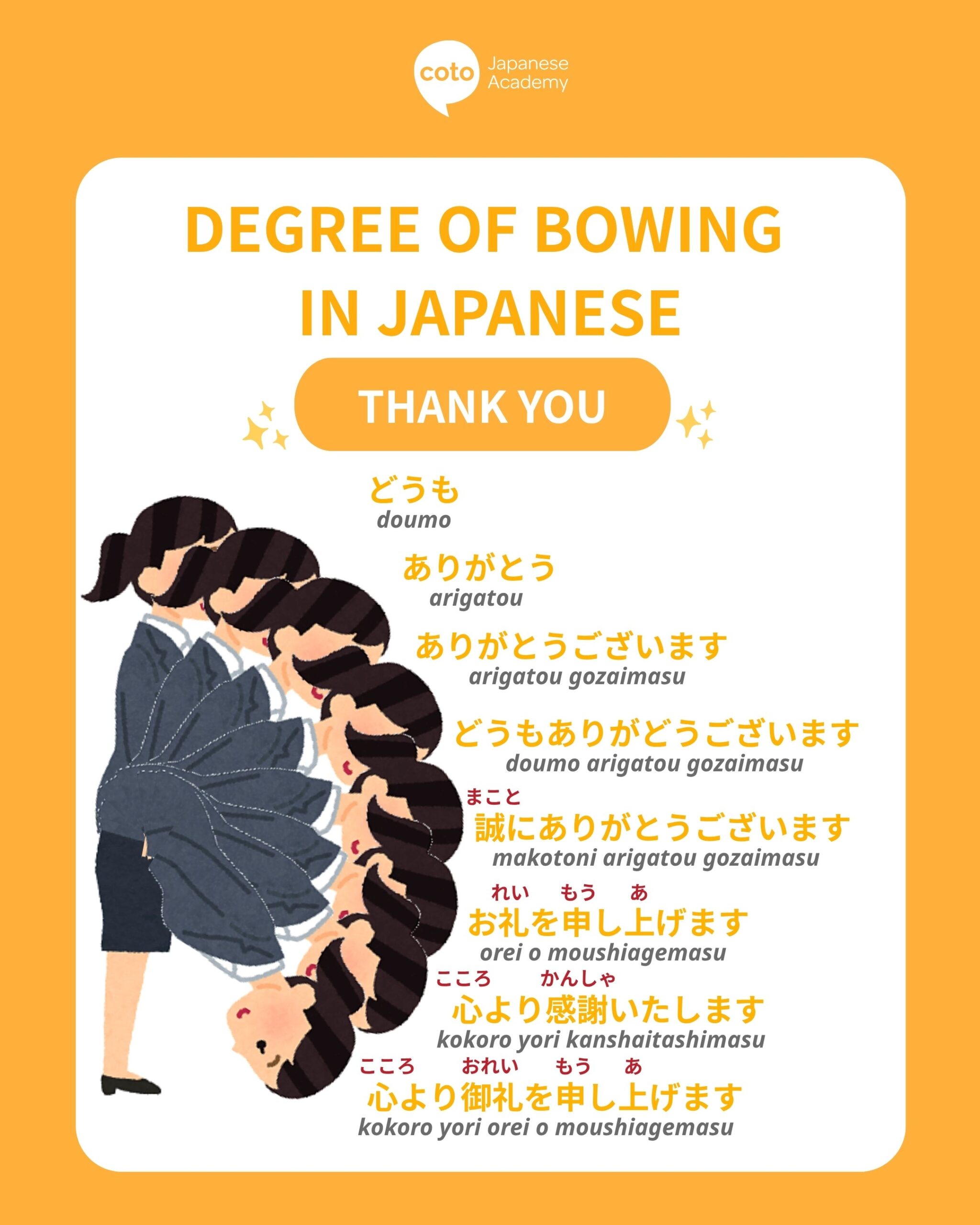
In Japanese, the word “どうも” (doumo) is a very versatile and frequently used word that can mean a few different things depending on the context. どうも, pronounced “dou-mo,” is a phrase you’d come across when you’re eating in at an izakaya or a restaurant. You can also use it to…
The JLPT N3 〜み (~mi) is a suffix that attaches to adjectives (mostly い-adjectives) and turns them into nouns. It’s similar to adding ~ness to an adjective in English (i.e., sweetness). However, there are some differences, the biggest being that nouns with 〜み express a quality or condition that cannot…
By Anthony Salcito, General Manager for Enterprise, Coursera I’m excited to share Coursera’s fifth annual Job Skills Report, which highlights the critical skills that individuals and institutions are prioritizing for 2026. Drawing from insights from nearly six million professionally-motivated enterprise learners and more than 7,000 institutional customers, this report offers…
For Emma, studying abroad was never just about academics. It was about perspective, personal growth, and experiencing everyday life somewhere completely new. After an exchange semester years earlier, she knew how powerful living abroad could be, and when the opportunity arose again, she chose to take it. This time, that decision led her to Cagliari, […]
The post Studying Abroad in Sardinia: Emma’s Semester in Cagliari appeared first on Asia Exchange.