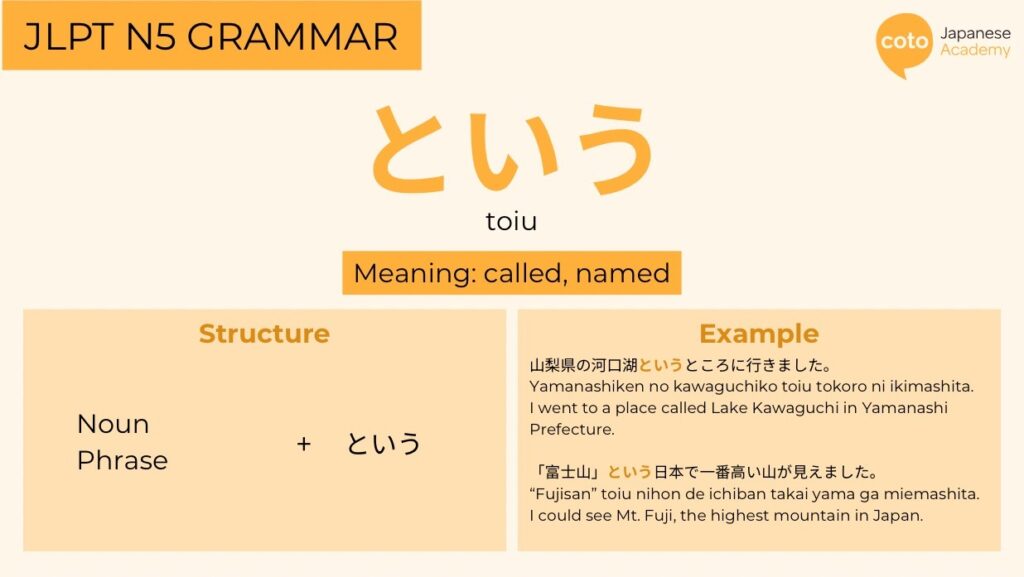
When learning Japanese, you may hear someone mention something unfamiliar using the grammar pattern という (to iu). This expression is commonly used to connect two nouns and introduce or explain a name, term, or concept. In English, it often translates to phrases like “called,” “known as,” or “something called…” In…
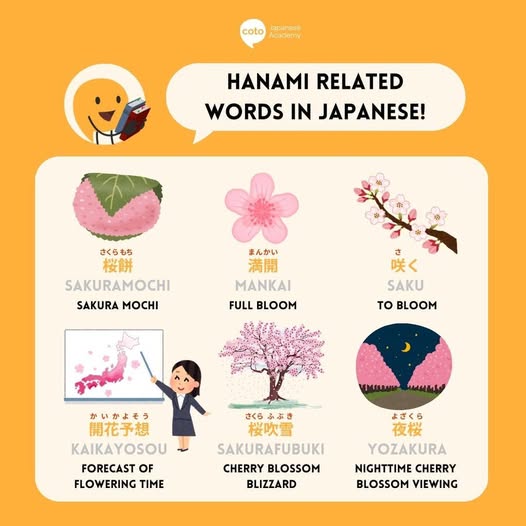
Spring, or haru (春), has arrived in Japan, and that means a few things! The cherry blossoms are blooming, temperatures are warming, and locals and tourists alike have gathered to enjoy and appreciate them. In Japan, the spring season typically lasts from the beginning of March to the end of…
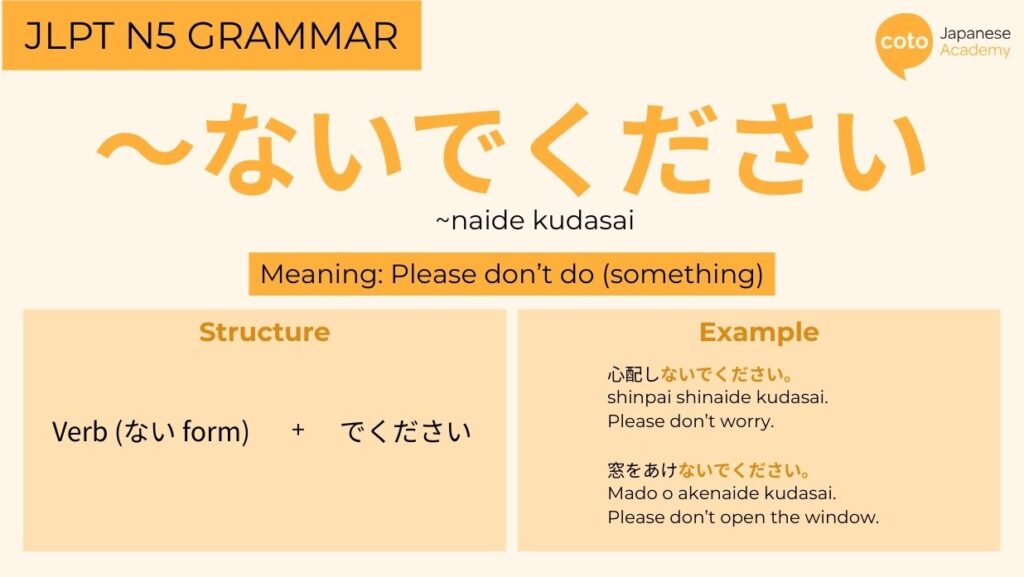
To ask someone not to do something in Japanese, you typically use the JLPT N5 grammar pattern 〜ないでください (naide kudasai). It is similar to saying “please do not do (something)” in English and is a polite way to request that someone refrain from an action, though it can also be…
Politics is a topic many people prefer to avoid. Yet, whether we like it or not, it plays a fundamental role in shaping our society and everyday lives. If you live in Japan, do you know how Japan’s political system is shaped? Following the 2024 Minato Ward Mayor election, Coto…
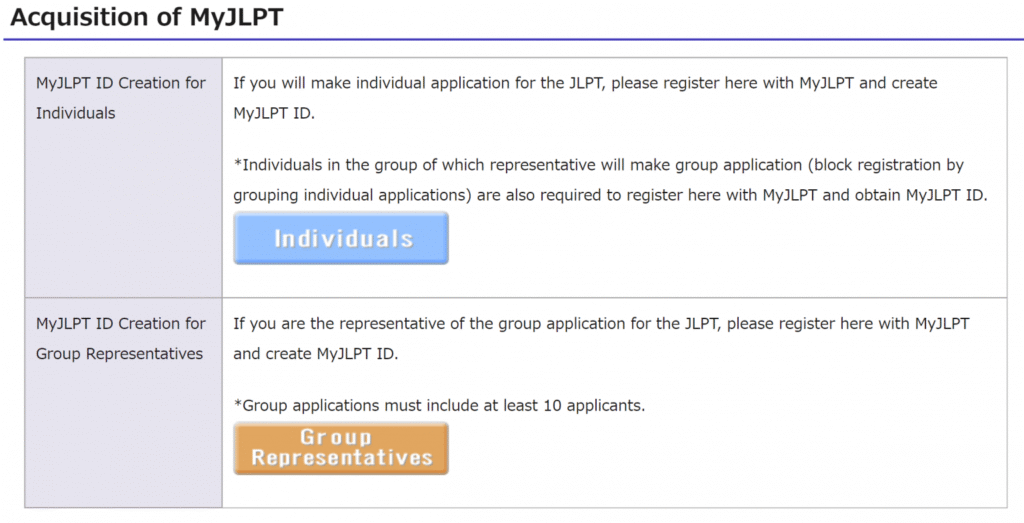
Are you planning to take the JLPT and wondering how you can apply online in Japan? You are in the right place. This blog will be a thorough guide on how to apply for the JLPT if you are planning to take the test in Japan, step by step. It’s…
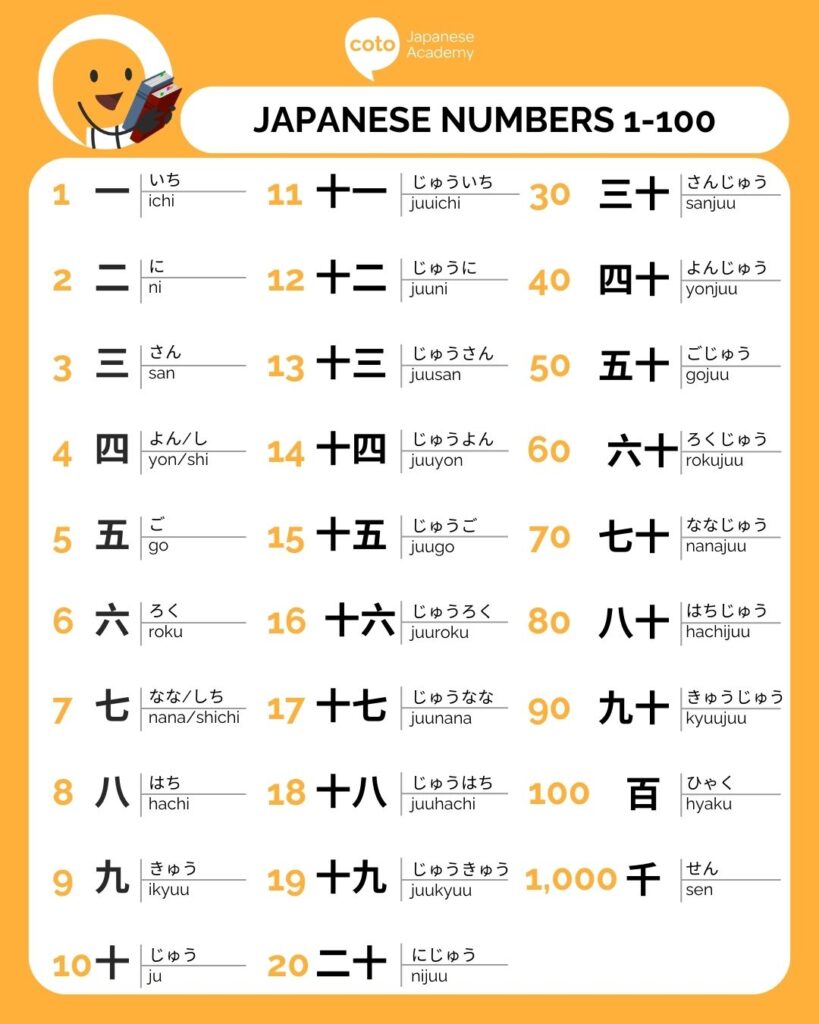
Numbers in Japanese can be confusing as it has a different counting system from English, but once you understand the patterns, it becomes surprisingly intuitive. Counting from 1 to 10 is the first step, but what about counting up to a million? Or even a hundred million? In this comprehensive…
You might already learn that there are many ways to say “no” in Japanese, but did you know that Japanese people themselves never directly use the word “no” in conversations? Why is this the case? And is there another way that Japanese people say that two-letter word? In this episode,…
Did you know that Japan has a second Valentine’s Day called White Day? In Japan, Valentine’s Day has a bit of a twist; the original Valentine’s Day (on February 14) is for women to give chocolates or small gifts to men. These can range from giri-choco (obligatory chocolates for colleagues…
There are many reasons you might want to study Japanese: maybe you want to move to Japan someday or make Japanese friends. Maybe you even want to understand your favorite Japanese anime. But then there’s an issue: you might not have the resources to take an in-person lesson, maybe because…
While you might not believe in the otherworldly mythology, it’s best to avoid going against Japanese superstitions. That is because while there are a lot of countries with their own unique beliefs, Japan takes the occult taboos to another level! Many of these may seem strange to someone unfamiliar with…