
 BALI
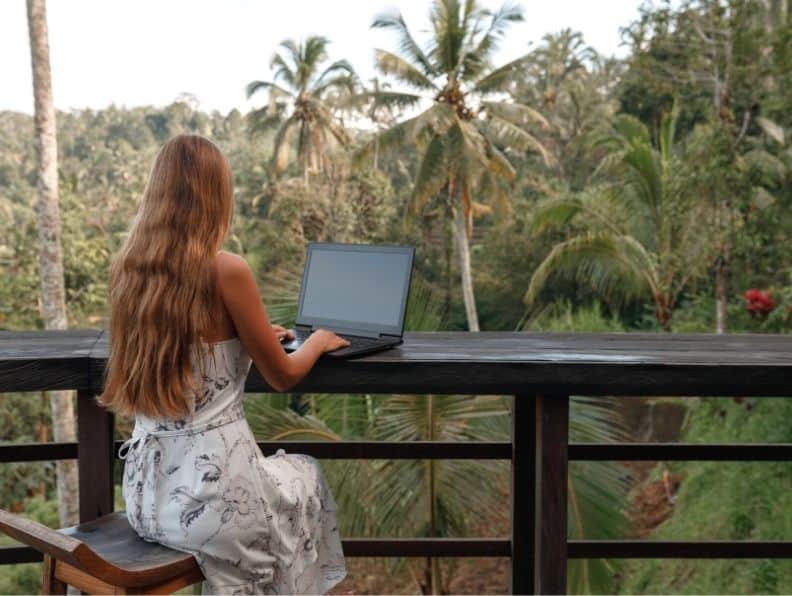
Bali is a tropical island of 4.3 million people. Life moves slowly. Your days are built around scooter rides through rice terraces, early morning temple ceremonies, surf sessions, and evenings that drift from warung dinners to beach clubs. Nature is everywhere and the pace is genuinely unhurried. There is no rush, and it is contagious.
BALI
Bali is a tropical island of 4.3 million people. Life moves slowly. Your days are built around scooter rides through rice terraces, early morning temple ceremonies, surf sessions, and evenings that drift from warung dinners to beach clubs. Nature is everywhere and the pace is genuinely unhurried. There is no rush, and it is contagious.
 SOUTH KOREA
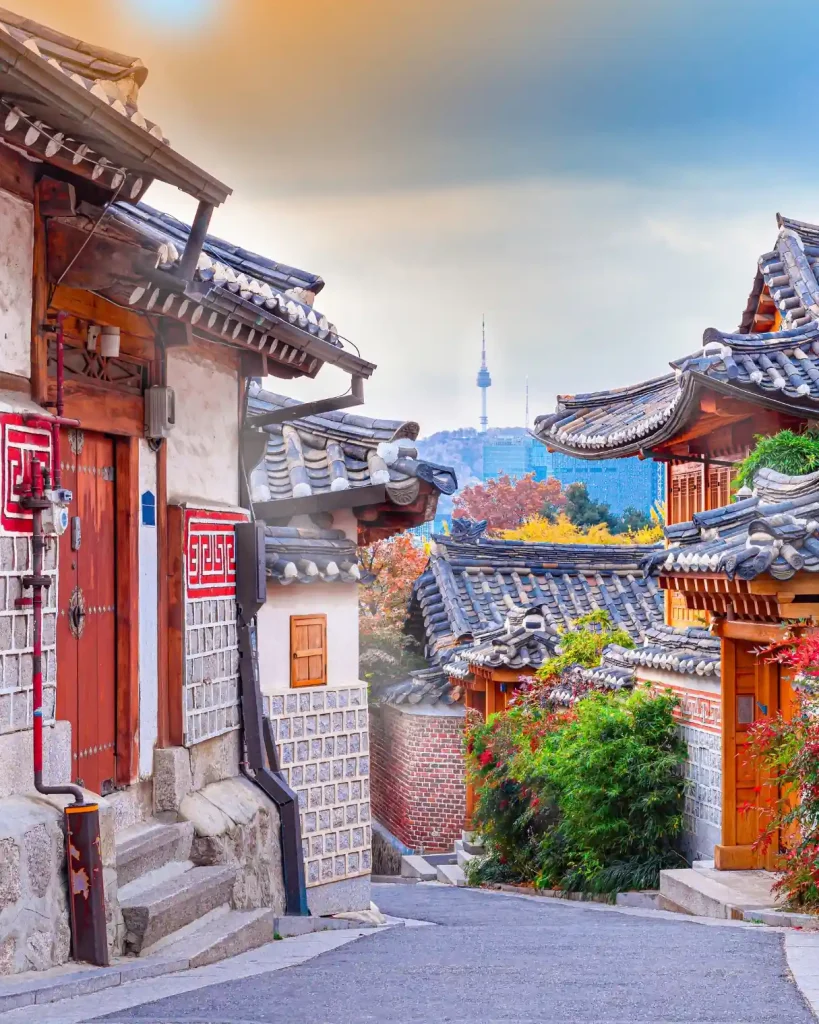
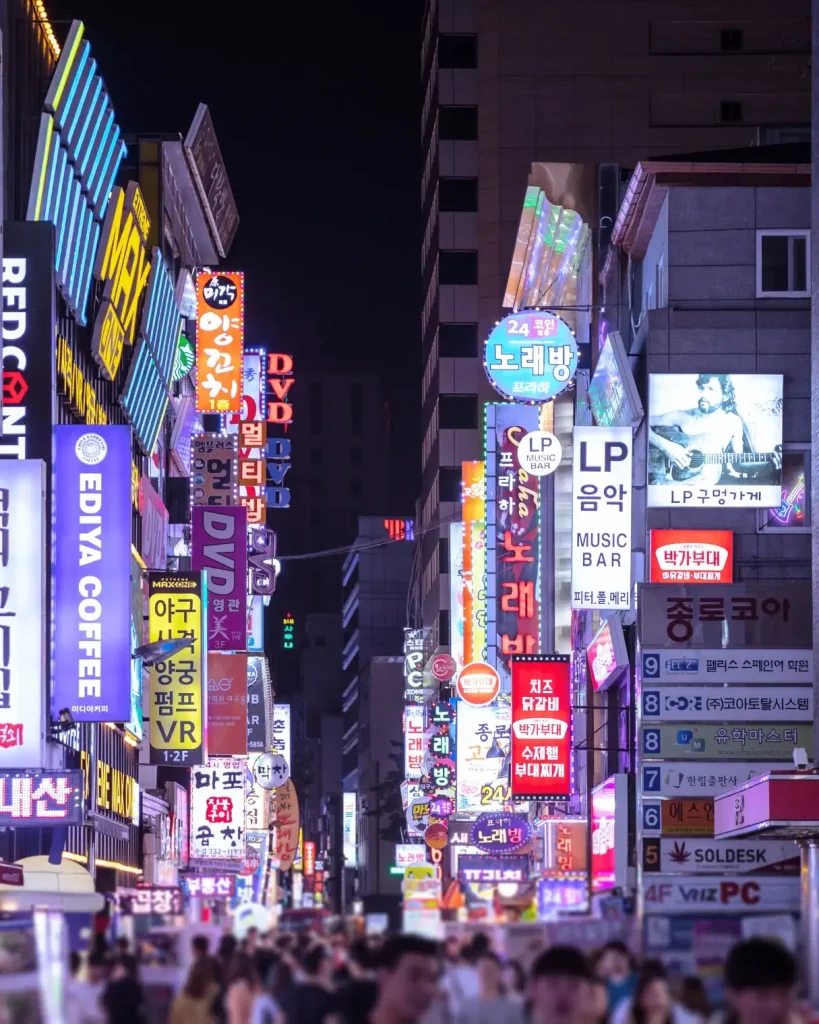
Seoul is a megacity of 10 million people operating at full speed. It is one of the most wired, most efficient, and most relentlessly energetic cities in the world. Four distinct seasons, a 24-hour food scene, the world’s fastest internet, and a subway system that makes getting anywhere effortless. There is always something happening, and the city rewards ambition.
SOUTH KOREA
Seoul is a megacity of 10 million people operating at full speed. It is one of the most wired, most efficient, and most relentlessly energetic cities in the world. Four distinct seasons, a 24-hour food scene, the world’s fastest internet, and a subway system that makes getting anywhere effortless. There is always something happening, and the city rewards ambition.
 BALI
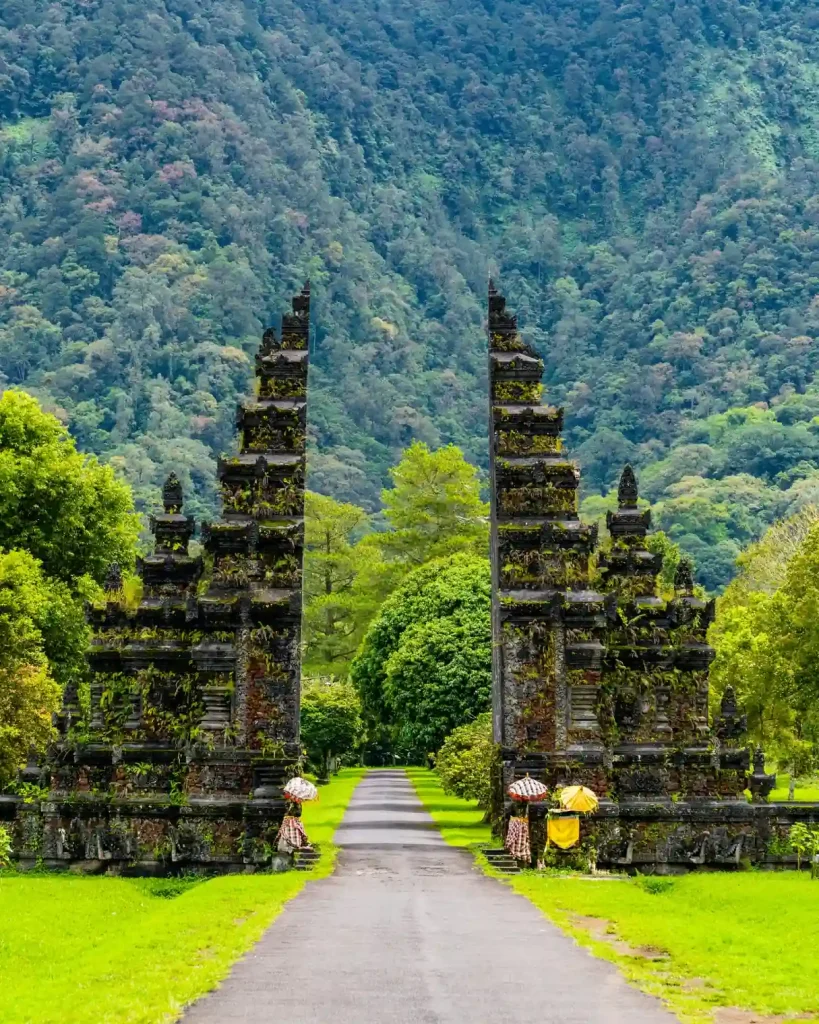
Bali is tropical year-round, with temperatures hovering between 26°C and 31°C (79°F to 88°F) regardless of the season. The dry season runs April to October — the best time to be there. The rainy season (November to March) brings high humidity and daily downpours, though it rarely rains all day. There is no cold. No winter. No coats.
SOUTH KOREA
BALI
BALI
Bali is tropical year-round, with temperatures hovering between 26°C and 31°C (79°F to 88°F) regardless of the season. The dry season runs April to October — the best time to be there. The rainy season (November to March) brings high humidity and daily downpours, though it rarely rains all day. There is no cold. No winter. No coats.
SOUTH KOREA
BALI
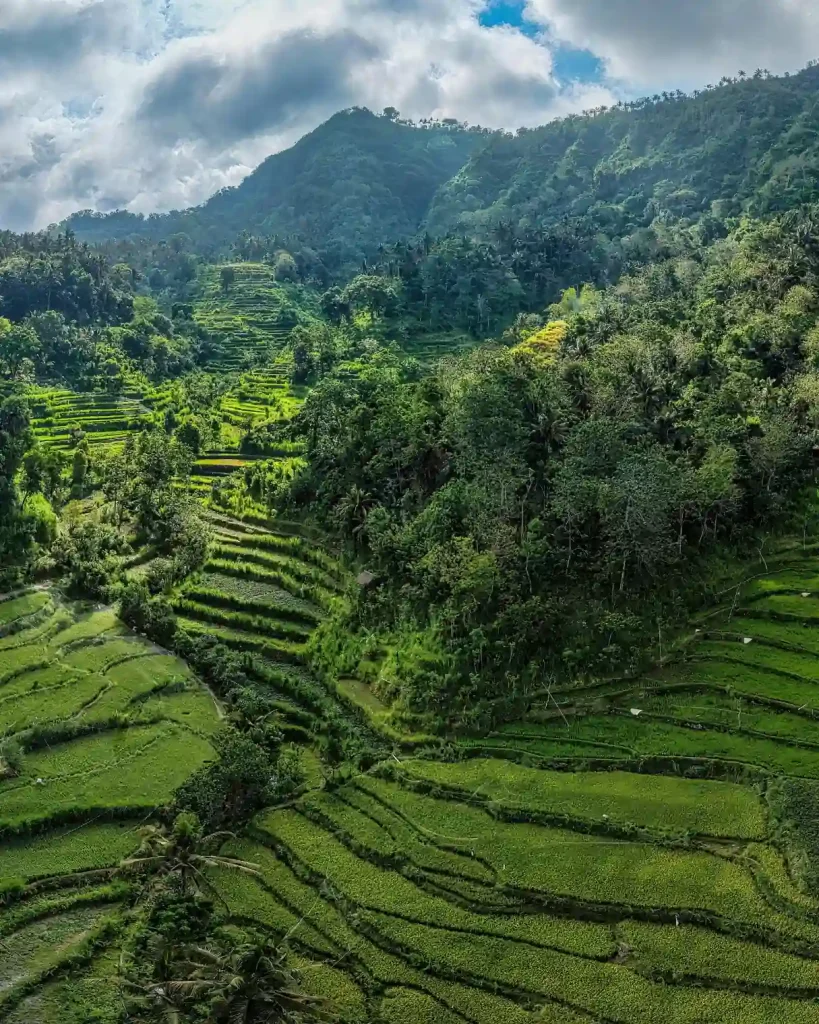
Balinese food is built around rice, vegetables, tempeh, and spices — cheap, delicious, and available everywhere. A full meal at a local warung (family-run restaurant) costs €1 to €3. The Bali food scene also has a huge international presence — cafes, vegan restaurants, smoothie bowls, and Western options are everywhere in tourist areas. Daily life involves a scooter, a lot of rice, and a general sense that the island operates on its own unhurried clock. Offerings appear on doorsteps every morning. Temple ceremonies happen in the street. The culture is very much present in everyday life.
SOUTH KOREA
Korean food is one of the great joys of living in the country. Kimchi at every meal, Korean BBQ cooked at the table, tteokbokki from street stalls, ramen at 3am from a convenience store — eating in Korea is endlessly interesting and extremely affordable if you stick to local options. A meal at a Korean restaurant costs €4 to €8. Daily life in Seoul runs at pace: fast delivery, fast transport, fast everything. The ppalli ppalli (“hurry hurry”) mindset is real — speed is a cultural value — and it shapes the energy of daily life in ways that take a little adjusting to.
BALI
SOUTH KOREA
 BALI
SOUTH KOREA
BALI
BALI
SOUTH KOREA
BALI
A semester in Bali gives you cultural immersion, genuine independence, and a perspective shift that is hard to replicate anywhere else. Academically, Bali’s universities offer solid programs, particularly in business and the humanities. On a CV, a semester in Bali reads as adventurous and globally minded — attributes that stand out. In terms of direct career connections in tech, finance, or corporate business, the opportunities are more limited than in a major economic hub.
SOUTH KOREA
South Korea is Asia’s fourth-largest economy, home to Samsung, LG, Hyundai, and SK Group — some of the most influential corporations on the planet. Seoul’s universities rank among the best in Asia. The job market for graduates with Korean university experience is active and growing: Samsung alone plans to hire 60,000 new employees over five years. For students targeting careers in tech, business, engineering, or media, a semester in South Korea carries genuine career weight.
BALI
SOUTH KOREA
There is no universally correct answer. Both are extraordinary destinations that change students in genuinely lasting ways. But based on everything above, here is a simple framework.
Choose Bali if: you want warmth, nature, and a slower pace. If you are drawn to spiritual culture, outdoor adventure, beach life, and a tight-knit international student community. If you want to live somewhere that feels like nothing else on earth, and you are not chasing a major metro career network during your semester. If your budget is tighter.
Choose South Korea if: you want a major global city experience with world-class transport, food, nightlife, and academic infrastructure. If career exposure in tech, business, or the creative industries matters to you. If you want four proper seasons, an electric social scene, and the experience of living in one of the most dynamic cultures in Asia. If you are ready for the pace.
And if you genuinely cannot choose? Students who have done both consistently say the same thing: they are glad they went to both. Some started with Bali and came back for Korea. Some did the reverse. The best study abroad decisions are rarely wrong, they just take you somewhere different.
Ready to pick your destination? Explore programs in both Bali and South Korea through Asia Exchange. Checkout the latest Courses