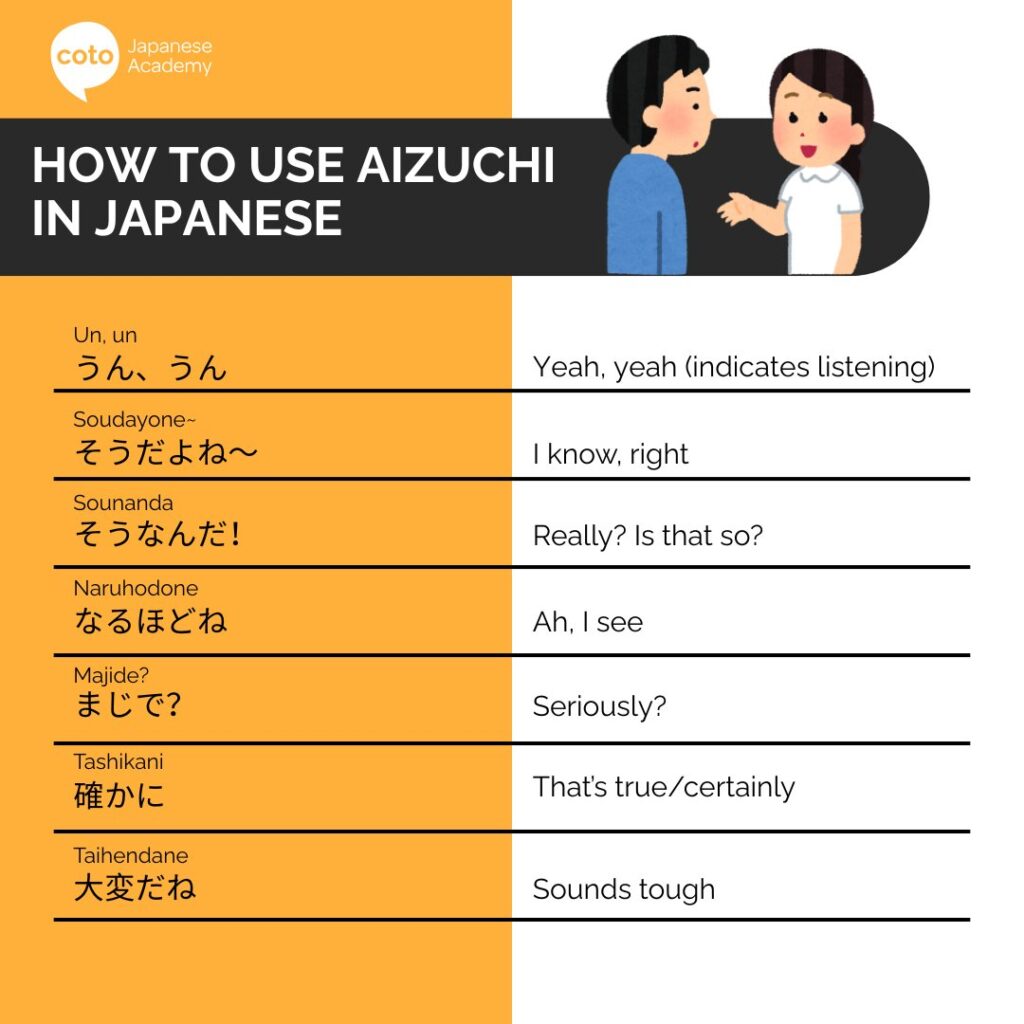
Ever used the Japanese grammar, でしょう (deshou)? Picture this. You recently got these new glasses, and you think they look nice. You want to tell your Japanese friend about your new glasses, but you want them to agree that they look nice. So what do you say when you want…
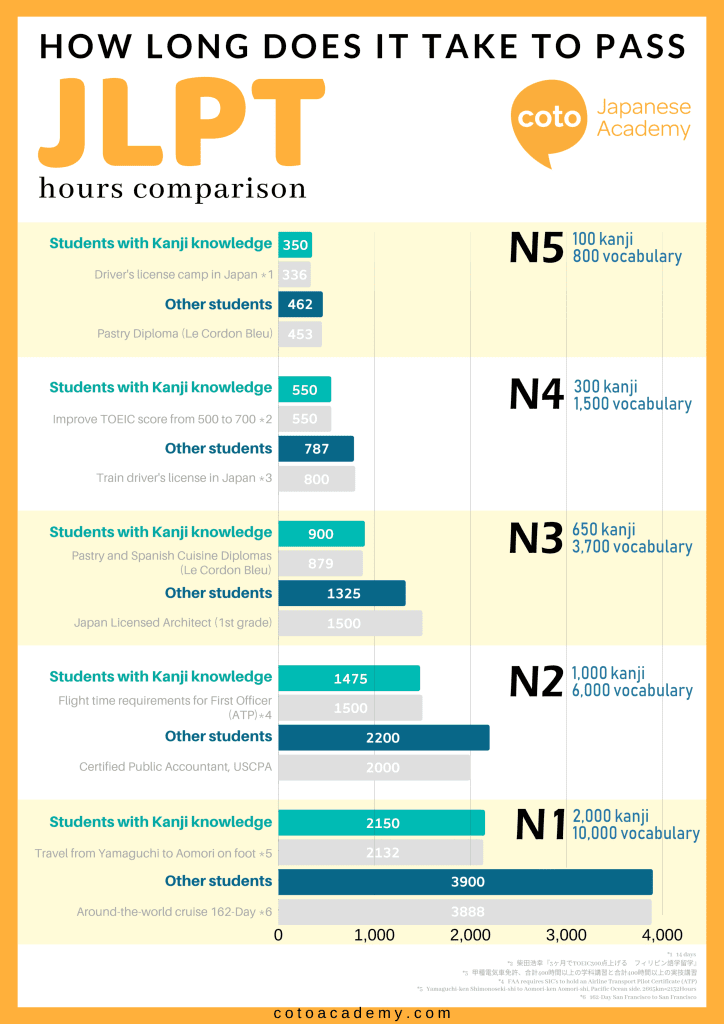
How many study hours do you need to pass the JLPT? The Japanese Language Proficiency Test is the benchmark for your knowledge of the Japanese language. One of the first questions that probably comes to mind is: “How long do I need to prepare for the JLPT?” The answer isn’t…
The JLPT N5 grammar 〜方がいい (~hou ga ii) is often used to give advice to someone, usually expressing what they should do. It is similar to saying “you should do…” or “it’d be better…” in English. This phrase is great for giving general recommendations or your opinion of what or…
Have you started learning Japanese adjectives? Once you get the hang of basic Japanese grammar structure, you will want to form more complex sentences. What happens if you want to say that the dog is cute? Or short? Or friendly? This is where Japanese adjectives come in: to make you…
Have you heard of yoji jukugo? Piece of cake, break the ice, and cut corners – these are all short idioms we use all the time, and in Japan, they have something similar called 四字熟語 (yojijukugo). A yojijukugo is a Japanese phrase consisting of four kanji. Just like in English,…
When learning Japanese, you may hear someone mention something unfamiliar using the grammar pattern という (to iu). This expression is commonly used to connect two nouns and introduce or explain a name, term, or concept. In English, it often translates to phrases like “called,” “known as,” or “something called…” In…
Spring, or haru (春), has arrived in Japan, and that means a few things! The cherry blossoms are blooming, temperatures are warming, and locals and tourists alike have gathered to enjoy and appreciate them. In Japan, the spring season typically lasts from the beginning of March to the end of…
To ask someone not to do something in Japanese, you typically use the JLPT N5 grammar pattern 〜ないでください (naide kudasai). It is similar to saying “please do not do (something)” in English and is a polite way to request that someone refrain from an action, though it can also be…
Politics is a topic many people prefer to avoid. Yet, whether we like it or not, it plays a fundamental role in shaping our society and everyday lives. If you live in Japan, do you know how Japan’s political system is shaped? Following the 2024 Minato Ward Mayor election, Coto…
Are you planning to take the JLPT and wondering how you can apply online in Japan? You are in the right place. This blog will be a thorough guide on how to apply for the JLPT if you are planning to take the test in Japan, step by step. It’s…